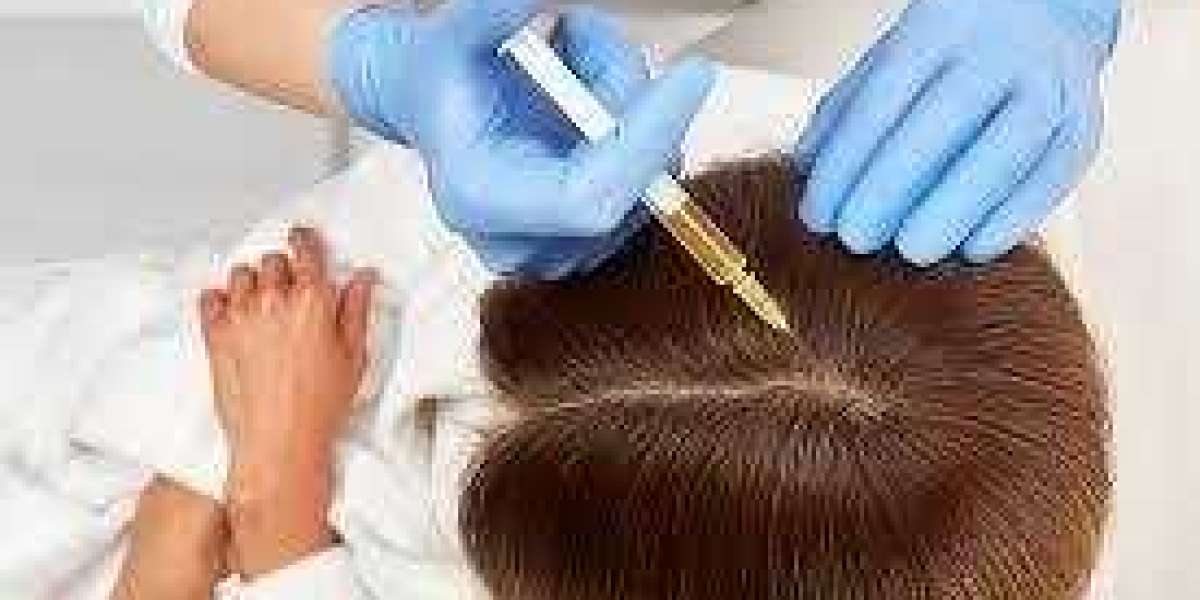

Hair shedding is one of the most common concerns among men and women experiencing early hair thinning, stress-related hair loss, or hormonal imbalance. Many individuals searching for effective solutions often consider advanced regenerative treatments such as PRP Hair Treatment in Dubai as a promising option to control excessive hair fall and restore healthier hair growth. Understanding whether PRP can truly reduce hair shedding requires a closer look at how the treatment works and what kind of results patients can realistically expect.
What Is PRP Hair Treatment?
Platelet-Rich Plasma (PRP) therapy is a non-surgical hair restoration procedure that uses the patient’s own blood to stimulate natural hair growth. The process involves drawing a small amount of blood, processing it in a centrifuge to separate platelet-rich plasma, and injecting it into the scalp. These platelets are rich in growth factors that help repair damaged hair follicles, improve blood circulation, and stimulate dormant follicles.Because PRP uses natural components from the patient’s body, it is considered a safe and minimally invasive treatment with a low risk of side effects. It is widely used for individuals experiencing early-stage hair thinning and excessive shedding.
Can PRP Actually Reduce Hair Shedding?
Yes, PRP therapy can significantly help reduce hair shedding in many individuals. The treatment works by strengthening weak hair follicles and improving their ability to stay in the growth phase for longer periods. When hair follicles are nourished with growth factors, they become more active and stable, which leads to a reduction in daily hair fall.
However, results vary depending on the cause of hair shedding. PRP is most effective for conditions such as:
- Androgenetic alopecia (pattern hair loss)
- Stress-induced shedding (telogen effluvium)
- Postpartum hair loss
- Early-stage thinning
In these cases, PRP helps slow down the shedding process and gradually improves hair density over time.
How Does PRP Reduce Hair Shedding?
To understand how PRP works, it is important to know the hair growth cycle. Hair grows in three main phases: anagen (growth phase), catagen (transition phase), and telogen (resting/shedding phase). Excessive hair shedding occurs when more hairs enter the telogen phase prematurely.PRP therapy helps correct this imbalance by stimulating hair follicles to remain in the anagen phase longer. The growth factors in PRP improve blood supply to the scalp, increase nutrient delivery, and strengthen follicular cells. As a result, hair becomes more anchored in the scalp, reducing excessive shedding.
When Will You Notice Reduced Hair Shedding?
Most patients begin to notice a reduction in hair shedding within 4 to 8 weeks after starting PRP treatment. Initially, the improvement may be subtle, but over time, hair fall becomes significantly less noticeable.
By the time patients complete 2 to 3 sessions, they often observe:
- Less hair on pillows and combs
- Reduced hair fall during washing
- Stronger and thicker hair strands
More visible improvements, including increased hair density, usually appear after 3 to 6 months of consistent treatment.
Is Shedding Normal After PRP Treatment?
Yes, mild temporary shedding can occur after the first PRP session, and this is completely normal. This phase is often called “shock shedding” or “shedding phase,” where weak hairs fall out to make room for new, stronger growth.This temporary increase in shedding usually lasts a few weeks and should not be a cause for concern. In fact, it is often a sign that the hair follicles are responding to treatment and entering a new growth cycle.
Why Do People Experience Excessive Hair Shedding?
Before understanding PRP’s effectiveness, it is important to identify the common causes of hair shedding. These may include:
- Hormonal changes
- Stress and anxiety
- Nutritional deficiencies
- Thyroid disorders
- Post-illness recovery
- Genetic predisposition
Each of these factors can weaken hair follicles and disrupt the natural growth cycle, leading to increased hair fall.PRP therapy does not cure the underlying medical condition but helps strengthen follicles and reduce the visible effects of shedding.
How Many PRP Sessions Are Needed to Reduce Shedding?
Most specialists recommend an initial treatment plan of 3 to 6 PRP sessions, spaced about 4 to 6 weeks apart. This allows the scalp to respond gradually and ensures continuous stimulation of hair follicles.After completing the initial sessions, maintenance treatments every 4 to 6 months are oftenrecommended to maintain results and prevent recurring hair shedding.Consistency is key, as PRP works best when the scalp receives repeated stimulation over time.
Who Is the Best Candidate for PRP?
PRP therapy is most effective for individuals experiencing:
- Early-stage hair thinning
- Moderate hair shedding
- Weak or miniaturized hair follicles
- Stress-related hair loss
It may be less effective for individuals with complete baldness or inactive follicles, as PRP requires existing healthy follicles to stimulate growth.A proper consultation is necessary to determine suitability and expected outcomes.
What Results Can You Expect from PRP?
Patients undergoing PRP therapy can expect gradual but noticeable improvements. While it is not an instant solution, consistent treatment often leads to:
- Reduced daily hair shedding
- Improved hair thickness
- Stronger hair roots
- Healthier scalp condition
- Better hair density over time
These improvements become more visible after completing multiple sessions and following proper aftercare guidelines.
Does PRP Permanently Stop Hair Shedding?
PRP does not permanently cure hair loss, but it can significantly slow down and control hair shedding. Since conditions like genetic hair loss are progressive, ongoing maintenance sessions may be needed to sustain results.With proper care and regular follow-ups, PRP can provide long-term improvement in hair health and significantly reduce excessive shedding.
Are There Any Side Effects?
PRP is generally considered safe, with minimal side effects. Some patients may experience mild redness, tenderness, or slight swelling in the treated area. These effects typically resolve within a few hours to a couple of days.Serious complications are extremely rare because the treatment uses the patient’s own blood, eliminating the risk of allergic reactions.
Tips to Maximize PRP Results
To achieve the best results from PRP therapy, patients should follow these guidelines:
- Follow the complete treatment schedule
- Avoid smoking and excessive alcohol consumption
- Maintain a healthy, protein-rich diet
- Reduce stress levels
- Use doctor-recommended hair care products
These habits help improve scalp health and enhance the effectiveness of the treatment.
Conclusion
So, can PRP help reduce hair shedding? The answer is yes—PRP therapy can significantly reduce excessive hair fall by strengthening hair follicles, improving scalp circulation, and extending the natural hair growth phase. While results are gradual, individuals who undergo consistent sessions often experience noticeable improvements in hair density and reduced shedding.For those considering PRP Hair Treatment in Dubai, it is important to maintain realistic expectations, follow the recommended treatment plan, and practice proper aftercare. With patience and consistency, PRP can be an effective and natural solution for controlling hair shedding and improving overall hair health.