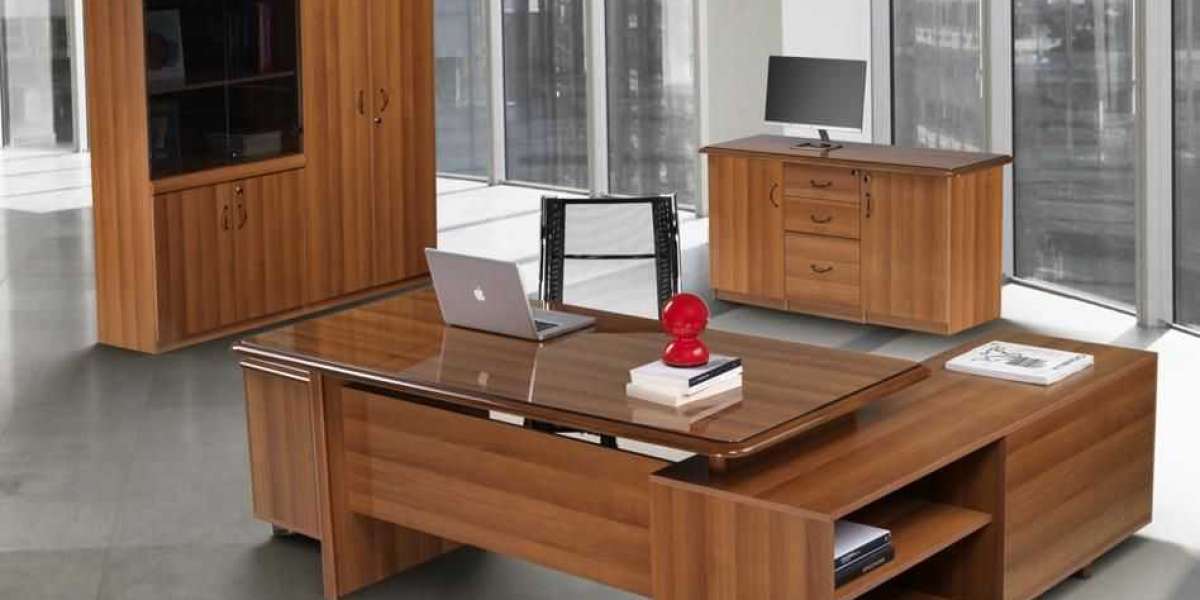

A successful workplace needs more than attractive decoration. It should give employees the space, comfort, and organization they need to complete their daily responsibilities efficiently. Office furniture is a major part of this process because the right desks, chairs, storage units, tables, and workstations can influence how people use the available space. A carefully planned office can feel more comfortable, professional, and organized without requiring unnecessary pieces. Whether the workplace belongs to a growing startup, established company, educational institution, professional service provider, or corporate organization, furniture should be selected according to actual business requirements. Factors such as room dimensions, employee numbers, working styles, storage needs, technology, visitor areas, and future expansion can all influence the final decision. When these details are considered before purchasing, businesses can create a workplace that combines practical performance with a polished appearance.
Understanding the Needs of Your Workplace
The first step in selecting suitable furniture is understanding how the office operates. Different departments may have completely different requirements, so using the same setup throughout an entire building may not always be practical. Employees who spend most of their day working on computers may need spacious desks and supportive seating, while meeting rooms require tables and chairs arranged for communication. Reception areas need furniture that welcomes visitors while giving reception staff a functional workstation. Managers may require additional storage and larger work surfaces, whereas collaborative teams may benefit from shared workstations. Understanding these differences makes furniture planning more efficient. It also prevents businesses from spending money on products that provide little practical value. A workplace should be designed around the people who use it rather than forcing employees to adjust to an unsuitable layout.
Selecting Desks That Match Daily Tasks
Desks are among the most frequently used pieces in a workplace, so their size, shape, and functionality deserve careful consideration. A good desk should provide sufficient room for computers, monitors, documents, stationery, and other equipment without taking up more floor space than necessary. Rectangular desks can work well in conventional office layouts, while corner and L-shaped desks can make better use of unused areas. Bench-style desks can support teams working closely together, while individual desks can provide more personal space. Businesses should also think about cable management, drawers, legroom, surface durability, and cleaning requirements. Choosing desks according to job responsibilities can create a more efficient arrangement. Instead of selecting one style for every employee, companies can combine different desk configurations to create a workplace that supports various tasks.
Making Employee Seating More Comfortable
Employees spend a considerable amount of time sitting during the working day, making comfortable seating an important investment. An office chair should provide appropriate support and allow users to adjust the seat according to their individual needs. Features such as adjustable height, back support, armrests, and suitable cushioning can make a workstation more comfortable. However, comfort should not be considered separately from the desk. The chair and desk should work together so employees can maintain a suitable working position. Businesses should also consider how easily chairs can be cleaned and maintained, particularly in busy environments. Comfortable seating can contribute to a better employee experience and help create a workplace where people can focus on their responsibilities without unnecessary physical discomfort.
Organizing Important Office Storage
An organized workplace needs an effective storage strategy. Documents, stationery, supplies, equipment, and personal items can quickly create clutter when there is no dedicated place for them. Filing cabinets, pedestals, cupboards, shelves, and side storage units can help keep important materials accessible while maintaining a cleaner appearance. Storage should be planned around frequency of use. Items employees need regularly should remain close to their work areas, while older records and less frequently used supplies can be stored elsewhere. Businesses should also consider storage for modern workplace technology, including cables, accessories, printers, chargers, and electronic equipment. Good storage does more than improve appearance. It can make it easier for employees to locate essential items and maintain an orderly working environment.
Designing an Effective Reception Area
The reception area is often the first part of an office visitors experience, so it should create a welcoming and professional impression. The reception counter needs enough workspace for staff while maintaining comfortable movement around the entrance. Visitor seating should be positioned carefully so guests have a comfortable place to wait without disrupting employees. The design can also reflect the company's professional identity through coordinated furniture finishes and materials. However, the reception should not become overcrowded with decorative pieces. A simple, organized arrangement can often appear more professional than an area filled with unnecessary furniture. Lighting, signage, storage, and accessibility should also be considered when planning this important part of the workplace.
Creating Productive Meeting Areas
Meetings require a different furniture arrangement from individual workstations. A meeting table should provide enough room for everyone involved while allowing comfortable communication. The shape of the table can influence the atmosphere of the room. Rectangular tables may suit formal business meetings, while round or oval tables can encourage a more open exchange of ideas. Comfortable meeting chairs are equally important because discussions, presentations, and training sessions can sometimes last for extended periods. Modern meeting rooms may also require space for monitors, cameras, laptops, presentation equipment, and power connections. Planning these elements together can reduce clutter and create a more functional environment for employees and visitors.
Using Furniture to Improve Space Management
Good space management is essential, particularly when an office has limited floor area. Furniture should allow employees to move comfortably between workstations while keeping important areas easily accessible. Overcrowding can make an office feel uncomfortable and can interfere with normal workflow. Businesses can use modular workstations, compact storage, movable tables, and flexible seating to make better use of available space. Open areas can be divided into practical zones for focused work, collaboration, meetings, and relaxation. Partitions can provide a degree of privacy without requiring permanent walls. A well-planned arrangement can help businesses use every part of the workplace effectively while maintaining sufficient circulation space.
Balancing Appearance With Practical Function
A professional office should look appealing, but appearance should never completely replace functionality. Attractive furniture that is uncomfortable, fragile, or difficult to maintain may become a poor investment over time. Businesses should look for a balance between design and everyday usability. Materials, finishes, shapes, and colors can be selected to create a consistent appearance throughout the workplace. A coordinated design can make different areas feel connected while allowing each department to maintain its own requirements. The workplace should also reflect the company's professional image without becoming overly formal or uncomfortable. Practical features such as storage, cable management, adjustable seating, and durable surfaces can be incorporated without compromising the overall visual appeal.
Planning for Future Business Growth
Furniture planning should take future requirements into account. Businesses can grow quickly, add new employees, reorganize departments, or introduce different working arrangements. Furniture that can adapt to these changes can reduce the need for frequent replacements. Modular workstations and movable pieces are particularly useful because they can be rearranged when the company's needs change. Businesses should also avoid filling every available area with desks because leaving some flexibility can make future expansion easier. Planning ahead can save both time and money while allowing the workplace to evolve naturally. A flexible office can respond more easily to changes in staffing, technology, and organizational structure.
Choosing Furniture With Long-Term Value
Price is an important part of any purchasing decision, but it should not be the only consideration. Businesses should evaluate construction quality, materials, maintenance requirements, warranty coverage, usability, and expected lifespan. A low-cost product may not provide good value if it needs frequent repairs or replacement. On the other hand, a higher-quality product can be worthwhile when it provides reliable performance over a longer period. Decision-makers should compare products according to their intended use and expected workload. This approach helps businesses create a realistic budget while avoiding unnecessary compromises in quality. Long-term value is particularly important when furnishing large offices because replacing numerous pieces can become expensive and disruptive.
Making the Workplace More Organized
Furniture can play a major role in creating a structured working environment. When desks, storage, seating, and shared areas are arranged logically, employees can move through their routines more easily. Clear pathways, accessible storage, organized workstations, and dedicated meeting areas can reduce unnecessary interruptions. Businesses can also use furniture to establish clear boundaries between different activities. A dedicated collaboration zone can keep group discussions away from employees who need quiet concentration, while a separate visitor area can prevent reception traffic from disturbing working departments. The result is a workplace that feels more purposeful and easier to manage.
Building a Better Office Environment
The best workplace furniture supports both business operations and employee needs. It should provide suitable work surfaces, comfortable seating, useful storage, efficient space utilization, and a professional appearance. Businesses should consider the purpose of every area before selecting individual pieces and should avoid making purchasing decisions based only on appearance. Office furniture becomes more valuable when it is chosen as part of a complete workplace strategy rather than as a collection of unrelated products. Careful planning can improve organization, support employee comfort, and create an environment that is ready to accommodate changing business requirements.
Conclusion
A well-furnished workplace can provide lasting benefits when every furniture choice is based on comfort, functionality, durability, and effective space planning. From employee workstations and executive offices to reception areas, storage zones, and meeting rooms, each section should serve a clear purpose. Businesses that plan carefully can create professional spaces without unnecessary clutter or wasted floor area. For companies exploring practical and attractive workplace solutions, Queens arts and trends can be part of the process of finding ideas that suit their desired office environment.