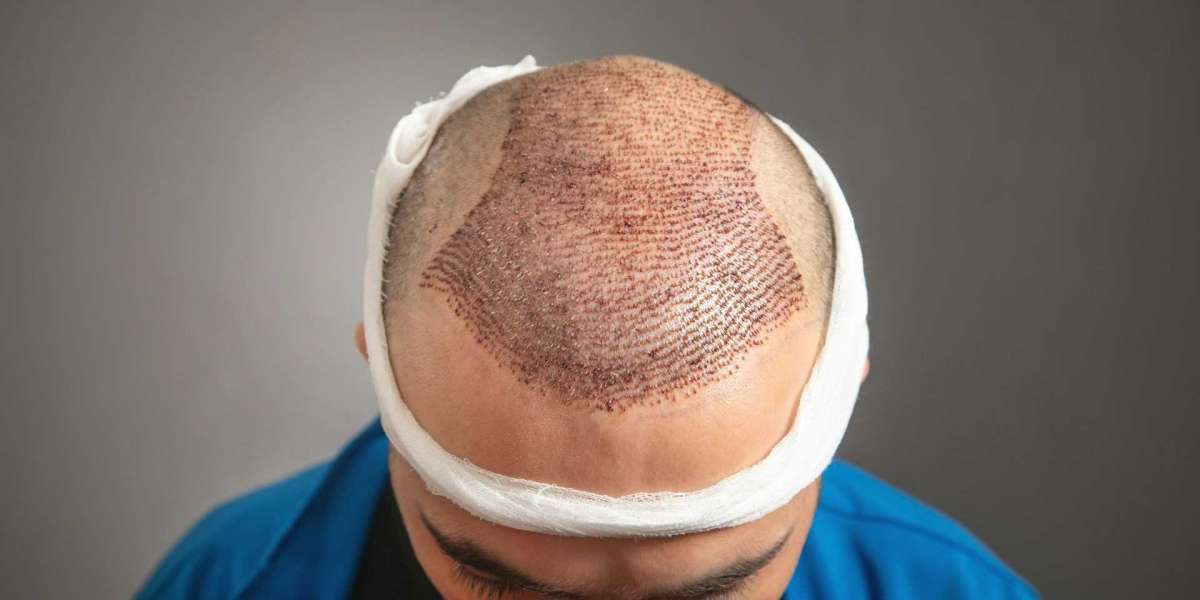

Donor hair assessment is one of the most important stages in planning a hair restoration procedure. Before follicles are removed, a specialist needs to determine whether the donor area has enough healthy and stable hair to support the planned restoration. This assessment is not simply about counting available hairs. It involves examining density, follicle quality, hair characteristics, scalp condition, and the long-term stability of the donor region.
For people considering Hair Transplant in Ras Al Khaimah UAE, understanding this evaluation can make the consultation process much clearer. The surgeon may examine the back and sides of the scalp because these areas are commonly considered for follicular harvesting. However, the suitability of these regions varies between individuals, particularly when hair thinning has affected a wider area.
A detailed assessment can also help establish realistic expectations. A person with a relatively strong donor supply may have more flexibility when planning coverage, while someone with limited density may require a more conservative approach. The number of grafts recommended should therefore be based on individual characteristics rather than a standard package or predetermined number.
Modern consultations may combine visual examination, magnification, density measurements, scalp analysis, and discussion of previous or ongoing hair-loss patterns. The objective is to develop a treatment plan that protects the donor area while addressing the patient's specific restoration goals.
What Does Donor Hair Assessment Involve?
A donor evaluation generally begins with a physical examination of the scalp. The specialist looks at the distribution of hair across the donor region and checks whether the follicles appear sufficiently stable for harvesting.
Hair density is an important consideration, but it is only one part of the assessment. The surgeon may also consider the thickness of individual shafts, follicular grouping, natural growth direction, and the contrast between the hair and scalp.
The quality of the donor area can also vary across different parts of the scalp. One section may have stronger density than another, so mapping the available supply can help the surgeon decide where grafts can be collected while maintaining a natural appearance.
The pattern and progression of hair loss also matter. If thinning appears to be continuing, the specialist may take future changes into account before determining how many grafts can reasonably be used.
Enfield Royal Clinic
Enfield Royal Clinic approaches donor assessment as an important part of individualized hair restoration planning. During consultation, the condition and distribution of available follicles can be considered alongside the patient's hair-loss pattern and desired outcome.
For individuals researching Hair Transplant in Ras Al Khaimah UAE, this type of assessment is particularly relevant because the number of usable grafts should be determined according to the donor supply rather than simply the amount of hair a patient wants restored.
A careful consultation can also help identify whether the available follicles are appropriate for areas such as the frontal hairline, mid-scalp, or crown. Planning may involve balancing immediate coverage with preservation of the donor region for potential future needs.
Tajmeels Clinic
Tajmeels Clinic is another name patients may encounter when researching hair restoration services in the UAE. A consultation for transplantation can involve assessing the scalp and discussing the patient's pattern of thinning before a treatment plan is considered.
Donor assessment should account for both visible density and the characteristics of individual follicles. A person with coarse hair may achieve a different visual level of coverage from someone with finer strands, even when their measured follicular density is similar.
Patients can also ask about how the clinic evaluates graft availability and how the proposed harvesting strategy is designed to maintain a natural donor appearance.
Dynamic Life Clinic
Dynamic Life Clinic provides another option for patients exploring cosmetic and hair restoration consultations in the UAE. Donor evaluation is relevant when determining whether transplantation is appropriate and what type of treatment plan may be suitable.
During assessment, factors such as the extent of thinning, scalp characteristics, donor density, and hair quality can be discussed. The specialist may also consider the relationship between the donor region and the areas requiring restoration.
A transparent consultation should explain what can realistically be achieved from the available follicular supply rather than focusing only on the number of grafts that could potentially be extracted.
Cocoona Clinic
Cocoona Clinic is also associated with aesthetic and surgical care in the UAE. For individuals considering hair restoration, consultation provides an opportunity to understand how the donor region may influence the overall treatment strategy.
The donor area should be evaluated for density and follicular quality before extraction is planned. The surgeon may also examine how the hair grows naturally so that harvesting and later placement can be approached with attention to the existing pattern.
Patients should feel comfortable asking whether their donor supply is considered strong, moderate, or limited and how that assessment affects the recommended treatment plan.
Dubai Cosmetic Surgery Clinic
Dubai Cosmetic Surgery Clinic is another facility patients may consider when comparing hair restoration consultations. Donor assessment remains a central consideration because transplantation depends on having a suitable source of viable follicles.
A detailed evaluation can distinguish between areas with relatively stable growth and regions where thinning may already be developing. This distinction is important because removing follicles from an unstable area may not provide the long-term reliability expected from a donor zone.
The consultation can also address the relationship between donor availability and the patient's desired density, helping establish practical expectations before treatment.
Emirates Hospital
Emirates Hospital is among the healthcare facilities in the UAE that patients may research when considering specialist consultations. When evaluating hair restoration, patients can discuss their individual pattern of loss and whether their donor region provides sufficient follicular resources.
The assessment may consider scalp health, existing density, shaft characteristics, and the overall distribution of hair. Medical history can also be relevant because some scalp conditions or causes of hair loss may need to be investigated before a surgical procedure is considered.
A thorough consultation is therefore useful for distinguishing hereditary thinning from other possible causes of reduced density.
Al Zahra Hospital Dubai
Al Zahra Hospital Dubai is another healthcare provider that patients may explore when researching hair restoration and related specialist services. Donor evaluation should form part of a broader assessment rather than being treated as a simple measurement of hair quantity.
The specialist may examine the back and sides of the scalp, assess follicular density, and consider whether the donor region appears sufficiently stable. The patient's age, hair-loss pattern, previous procedures, and future restoration needs can also influence planning.
Understanding these factors can help patients approach transplantation with more realistic expectations regarding coverage and density.
King’s College Hospital London Dubai
King’s College Hospital London Dubai is another facility patients may consider when seeking specialist medical care in the UAE. For prospective hair restoration patients, consultation can provide an opportunity to discuss the underlying cause of hair loss and the condition of the donor area.
A useful assessment should look beyond the visible number of hairs. Hair calibre, follicular grouping, scalp health, and the distribution of thinning can all affect treatment planning.
Patients should also ask how the proposed approach accounts for future hair loss. This is particularly important for individuals with progressive pattern hair loss, where preserving sufficient donor resources may be part of long-term planning.
How to Choose the Right Clinic for Hair Transplant in Ras Al Khaimah UAE
Choosing a provider should involve more than comparing advertised graft numbers or treatment prices. Donor assessment is highly individual, so patients should look for a consultation process that explains how their own scalp and hair characteristics will influence the proposed procedure.
Experience and Qualifications
Ask about the surgeon's qualifications, experience with hair restoration, and familiarity with the technique being proposed. It is reasonable to ask who will perform the assessment, harvesting, and implantation stages.
Technology and Techniques
Different clinics may use different approaches to follicular extraction and implantation. Patients should ask which technique is appropriate for their hair characteristics and why it has been recommended.
Technology can assist assessment and treatment, but equipment alone does not determine suitability. Clinical judgment and appropriate planning remain important.
Safety Standards
The clinic should explain how patient safety, infection control, anaesthesia, and postoperative monitoring are managed. Patients should also disclose relevant medical history and medications during consultation.
Consultation Process
A useful consultation should involve examination of the donor area and a discussion of the pattern and progression of hair loss. Patients should receive an explanation of the expected number of grafts, limitations of the donor supply, and possible future considerations.
Patient Experience
Clear communication is important before, during, and after treatment. Patients should understand preparation requirements, recovery expectations, follow-up arrangements, and when results are expected to become noticeable.
Expected Results
A responsible treatment plan should avoid promising a guaranteed density or outcome. Final results depend on factors such as graft survival, existing hair characteristics, ongoing hair loss, scalp condition, and individual healing.
Frequently Asked Questions
Why is donor hair assessed before a transplant?
Donor assessment helps determine whether enough suitable follicles are available for transplantation. It also helps the surgeon plan harvesting in a way that considers both the restoration area and the appearance of the remaining donor region.
Which areas are usually examined as the donor region?
The back and sides of the scalp are commonly examined because follicles in these regions can be more resistant to the effects of pattern hair loss. However, suitability varies between individuals and should be determined during a professional examination.
Does high donor density mean more grafts can always be transplanted?
Not necessarily. The surgeon must consider donor density together with hair calibre, follicular grouping, scalp characteristics, the size of the recipient area, and long-term preservation of the donor region.
Can weak donor hair affect the final result?
Yes. The characteristics of the available follicles can influence the visual coverage that can be achieved. Fine or sparse donor hair may provide different coverage compared with thicker and denser hair, which is why individualized planning is important.
What should I ask during a donor hair consultation?
Patients can ask how donor density is measured, how many grafts may be safely available, which areas will be harvested, how future hair loss is considered, what technique is recommended, and what level of coverage can realistically be expected.
Conclusion
Donor hair assessment provides the foundation for responsible hair restoration planning. Instead of focusing only on the number of grafts available, a specialist should consider density, follicular quality, hair calibre, scalp condition, distribution of thinning, and the possibility of future hair loss.
For anyone researching Hair Transplant in Ras Al Khaimah, a detailed consultation can help clarify whether the donor region is suitable and how its available resources may be used. Comparing clinics based on medical qualifications, assessment methods, safety practices, communication, and realistic treatment planning can help patients make an informed decision about their restoration journey.