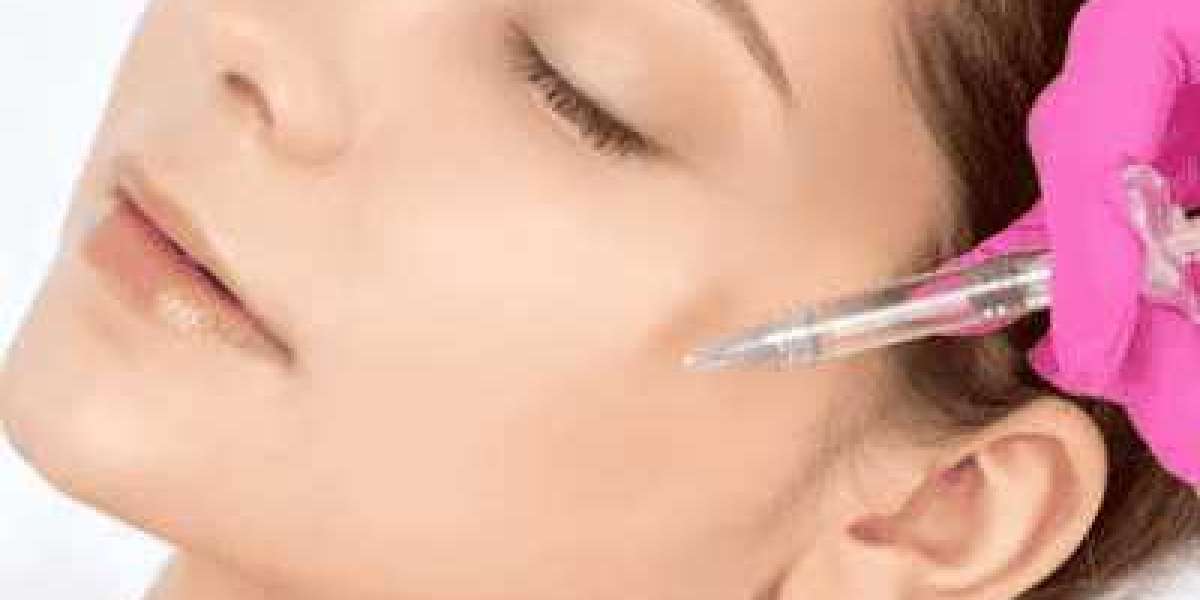

Glutathione injections have gained attention in the wellness and aesthetic industries for their potential role in antioxidant protection, skin health, and overall well-being. Glutathione is a naturally occurring antioxidant produced by the body, where it helps protect cells from oxidative stress and supports several essential biological processes. As interest in antioxidant-based treatments continues to grow, many people are exploring whether glutathione injections can offer additional benefits beyond the body's natural production.
Oxidative stress occurs when unstable molecules called free radicals accumulate faster than the body can neutralize them. Over time, this imbalance can contribute to cellular damage and is associated with various health conditions and aspects of the aging process. Antioxidants help maintain balance by neutralizing free radicals and supporting normal cellular function.
Although Glutathione Injections plays an important role in the body's antioxidant defense system, the effectiveness of glutathione injections depends on several factors, including a person's health status, the reason for treatment, and the quality of available clinical evidence. Understanding how this antioxidant works, what injections may offer, and which precautions matter can help individuals make informed decisions about their health.
1. What Is Glutathione and Why Is It Important for Antioxidant Protection?
Glutathione is a small molecule made from three amino acids: glutamate, cysteine, and glycine. It is present in nearly every cell in the human body and is particularly important for maintaining cellular balance and protecting tissues from oxidative damage.
One of its main functions is to neutralize reactive oxygen species and other potentially harmful compounds. These substances are produced naturally during metabolism and can also increase in response to environmental pollution, ultraviolet radiation, smoking, and other sources of stress.
Glutathione works alongside other antioxidant systems, including enzymes and nutrients such as vitamins C and E. It also helps maintain the body's internal chemical balance and participates in processes that allow cells to manage certain unwanted substances.
The body produces glutathione naturally, but its levels and activity can vary depending on age, nutritional status, health conditions, lifestyle, and other influences. Researchers have studied changes in glutathione levels in connection with several diseases and aging-related processes. However, lower levels do not automatically mean that a person needs glutathione injections.
Maintaining healthy glutathione activity is one part of a broader approach to cellular health. Adequate nutrition, regular physical activity, sufficient sleep, and avoiding tobacco can also support the body's natural protective systems.
2. How Do Glutathione Injections Work?
Glutathione injections deliver glutathione directly into the body, usually through an intravenous infusion or an intramuscular injection. The intended purpose is to increase the availability of this antioxidant without relying on digestion and absorption through the gastrointestinal tract.
Oral glutathione supplements must pass through the digestive system, and their absorption and effects can vary depending on the formulation. Injectable administration follows a different route, but this does not automatically mean it provides better long-term health outcomes.
Intravenous Glutathione
Intravenous administration introduces glutathione directly into the bloodstream. This route can produce immediate exposure to the administered substance, but the amount that reaches particular tissues and the duration of its effects depend on several biological factors.
Research on intravenous glutathione for general antioxidant support, skin appearance, and other wellness purposes remains limited. Evidence that an injection increases circulating glutathione does not necessarily establish that it prevents disease, improves long-term health, or protects every organ from oxidative damage.
Intramuscular Glutathione
Intramuscular injections deliver glutathione into a muscle, from which the substance is absorbed into the bloodstream. The absorption pattern differs from intravenous administration, and evidence supporting specific benefits from this route is also limited.
The choice between injection methods should not be based solely on marketing claims or assumptions about effectiveness. A qualified healthcare professional can evaluate whether treatment is appropriate, explain the uncertainty surrounding its benefits, and discuss safer alternatives when necessary.
It is also important to recognize that glutathione injections are not a universal solution for low energy, premature aging, skin concerns, or chronic health problems. Any underlying medical condition requires an appropriate assessment rather than an assumption that antioxidant supplementation will address its cause.
3. Potential Benefits of Glutathione Injections for Antioxidant Protection
Glutathione has several established biological functions, but the evidence supporting injectable glutathione for specific health and cosmetic outcomes varies. Understanding the distinction between its natural role and the proven effects of an injection is essential.
Supporting the Body's Natural Antioxidant Defenses
Glutathione helps neutralize reactive molecules that can damage proteins, lipids, and DNA. It also supports antioxidant enzymes that help maintain a healthy balance within cells.
Because oxidative stress is involved in many biological processes, researchers continue to investigate whether changing glutathione availability may benefit people with particular medical conditions. However, the evidence does not establish that routine glutathione injections provide meaningful antioxidant protection for otherwise healthy individuals.
A treatment that changes a laboratory measurement may not necessarily reduce the risk of illness or improve quality of life. Clinical outcomes, appropriate dosing, and long-term safety are important considerations when evaluating any antioxidant therapy.
Supporting Normal Cellular Function
Glutathione contributes to cellular processes that help maintain normal function under everyday metabolic stress. It also participates in the recycling of other antioxidants and helps regulate the cellular environment.
These functions explain why glutathione is important to human health. Nevertheless, the body has complex mechanisms for producing, using, and recycling glutathione, and additional amounts do not necessarily produce additional benefits.
For people with nutritional deficiencies or specific medical concerns, addressing the underlying cause may be more effective than pursuing injections without a clear indication.
Possible Effects on Skin Appearance
Glutathione injections are frequently promoted for brighter-looking skin, a more even complexion, and reduced pigmentation. These claims are partly linked to glutathione's involvement in melanin-related biochemical pathways.
Some small studies have explored glutathione for skin-lightening purposes, but the available evidence is limited by factors such as small sample sizes, short follow-up periods, and differences in study methods. The durability of any effects and the safety of repeated injections remain uncertain.
Glutathione injections should therefore not be presented as a proven method for achieving a particular skin tone or treating pigmentation disorders. Anyone concerned about dark spots, melasma, or uneven skin tone may benefit from an assessment of the underlying cause and discussion of treatments with better-established evidence.
Overall, the antioxidant functions of glutathione are well recognized, but claims about the health benefits of injectable treatment require careful interpretation. More high-quality clinical research is needed to determine which individuals, if any, benefit from specific injectable regimens.
4. Who May Consider Glutathione Injections, and What Should They Know?
People may explore glutathione injections for different reasons, including interest in antioxidant support, skin appearance, or a recommendation related to a particular health concern. However, the suitability of treatment depends on the individual's circumstances and the quality of evidence supporting the intended use.
A healthcare professional should review the reason for considering treatment, existing medical conditions, current medications, allergies, and any previous reactions to injectable products. This assessment can help identify possible risks and determine whether a better-supported approach is available.
Individuals should be particularly cautious when a treatment is promoted as a way to detoxify the entire body, reverse aging, prevent chronic disease, or guarantee brighter skin. Such claims may extend beyond what clinical research has demonstrated.
The quality and source of an injectable product also matter. Products should come from legitimate, appropriately regulated sources and be administered by qualified professionals in suitable clinical settings. Sterile technique is essential because injections can introduce bacteria or other contaminants directly into the body.
Glutathione injections may not be appropriate for everyone. People who are pregnant or breastfeeding, those with significant medical conditions, and individuals taking regular medications should seek professional advice before considering treatment. The available safety information for repeated cosmetic or wellness use is limited, so the absence of a known problem should not be interpreted as proof of safety.
A responsible treatment decision should include a clear explanation of the intended benefit, the strength of the supporting evidence, potential side effects, and alternative options. When no specific medical indication exists, a healthcare professional may recommend focusing on established health measures rather than injectable antioxidant therapy.
5. Side Effects, Safety Considerations, and Alternatives to Glutathione Injections
Although glutathione occurs naturally in the body, injecting it can introduce risks that differ from those associated with normal biological production. Safety depends on the product, route of administration, preparation, dose, and individual response.
Possible side effects may include discomfort at the injection site, redness, swelling, nausea, or other unwanted reactions. Intravenous administration can also cause complications related to the infusion or the vascular access used to deliver it.
More serious risks include allergic reactions, contamination-related infections, and complications associated with improperly prepared or administered products. The safety profile of repeated injections for cosmetic or general wellness purposes has not been adequately established.
Some injectable glutathione products have also raised concerns about product quality and compounding practices. Contamination or improper preparation can create risks beyond the effects of glutathione itself. Individuals should not purchase unverified products online or attempt to administer injections without appropriate professional oversight.
Anyone experiencing breathing difficulties, facial or throat swelling, fainting, or other signs of a severe allergic reaction after an injection needs emergency medical attention.
Practical Ways to Support Natural Antioxidant Defenses
For most people, everyday health habits provide a more established starting point for supporting normal antioxidant function.
Eat a varied, balanced diet: Fruits, vegetables, legumes, whole grains, nuts, and seeds supply nutrients needed for normal cellular processes.
Include adequate protein: Foods containing protein provide amino acids that the body uses to produce glutathione and other essential molecules.
Avoid smoking: Tobacco smoke increases exposure to harmful reactive compounds and contributes to oxidative stress.
Maintain regular physical activity: Consistent, appropriately paced exercise supports metabolic health and the body's natural adaptive responses.
Prioritize sufficient sleep: Healthy sleep patterns support normal physiological regulation and overall well-being.
Protect the skin from excessive ultraviolet exposure: Broad-spectrum sunscreen, protective clothing, and shade help reduce sun-related skin damage.
Manage existing health conditions: Appropriate medical care can address underlying problems that may influence nutritional status or antioxidant balance.
These habits do not guarantee protection against every disease, but they support overall health and address several well-established risk factors. Supplements or injections should not replace a balanced diet, prescribed treatment, or routine medical care.
6. What Does the Research Say About Glutathione Injections?
Research into glutathione has examined its antioxidant functions, changes in glutathione levels in different health conditions, and possible applications in medical and cosmetic settings. However, findings about glutathione's biological importance should not be confused with evidence that injectable treatment improves specific outcomes.
Some studies have reported changes in glutathione measurements or investigated potential effects on skin pigmentation. Yet many studies have limitations, including small participant groups, short treatment periods, inconsistent formulations, and a lack of long-term follow-up.
There is also an important difference between evidence showing that oxidative stress is associated with a condition and evidence showing that administering an antioxidant prevents or treats that condition. A plausible biological mechanism is a starting point for research, not proof of clinical effectiveness.
At present, evidence is insufficient to recommend routine glutathione injections as a general preventive treatment for oxidative damage in healthy people. Their role in cosmetic skin lightening is also uncertain, and safety concerns deserve particular attention when injections are used repeatedly without a clear medical indication.
Future research may clarify whether particular groups of patients benefit from specific formulations or administration methods. Stronger evidence would require well-designed clinical trials that evaluate meaningful health outcomes, appropriate comparison groups, standardized treatment protocols, and long-term safety.
Until more reliable evidence becomes available, individuals should approach broad wellness claims with caution. A healthcare professional can help distinguish established medical uses from treatments that remain experimental, insufficiently studied, or primarily marketed for cosmetic purposes.
Frequently Asked Questions About Glutathione Injections
1. Can glutathione injections provide antioxidant protection?
Glutathione plays an important role in the body's natural antioxidant defense system. Injections can deliver glutathione into the body, but current evidence is insufficient to establish that routine injections provide meaningful long-term antioxidant protection or prevent disease in healthy individuals.
2. How long does it take for glutathione injections to work?
The timing depends on the intended outcome, administration method, and individual response. There is no universally established timeline for benefits from glutathione injections, particularly for general wellness or skin lightening. Claims promising immediate or guaranteed results should be treated cautiously.
3. Are glutathione injections safe for everyone?
No. Potential risks include injection-site reactions, nausea, allergic reactions, infections, and complications related to product quality or administration. Long-term safety for repeated cosmetic and wellness use is not well established. A healthcare professional should assess individual risks before treatment.
4. Do glutathione injections help brighten the skin?
Glutathione has been studied for its possible influence on pigmentation, but evidence supporting injectable skin-lightening treatments remains limited. The extent and duration of any effects are uncertain, and repeated injections may carry risks. Established approaches to pigmentation concerns should be discussed with a qualified healthcare professional.
5. Can diet naturally support glutathione production?
Yes. A balanced diet that includes adequate protein, vegetables, fruits, legumes, and whole grains provides nutrients involved in normal glutathione production and antioxidant activity. Healthy lifestyle habits also support overall well-being, although dietary changes cannot guarantee a specific glutathione level or prevent every form of cellular damage.
6. Should glutathione injections be used as a substitute for medical treatment?
No. Glutathione injections should not replace prescribed medication, appropriate diagnostic testing, or evidence-based treatment for a medical condition. Anyone considering them should discuss the intended benefit, available evidence, safety concerns, and alternatives with a qualified healthcare professional.
Read More About Glutathione Injections: https://arvanz.com/read-blog/4371