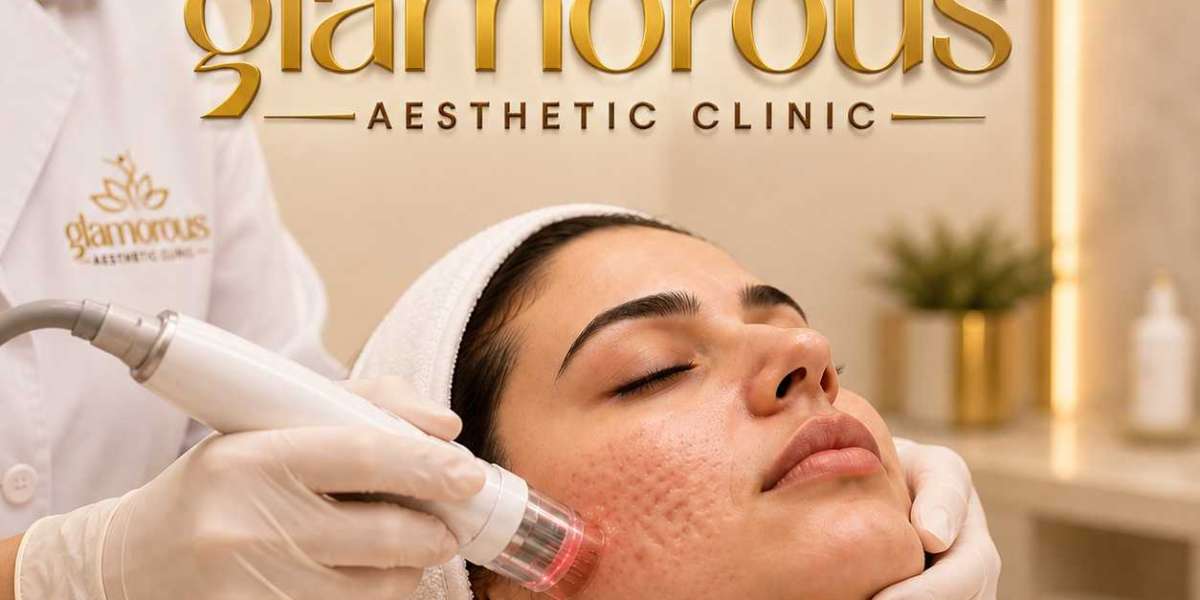

Clearing stubborn breakouts is a rewarding milestone, yet many patients notice an unexpected side effect along the way: skin that feels tight, flaky, and uncomfortable. Dryness after treatment is far more common than most people realise, and it can leave you wondering whether something has gone wrong. If you are considering Acne Treatment in Islamabad, understanding why this happens and how to manage it will help you stay confident and consistent throughout your journey. The good news is that in most cases, dryness is temporary, predictable, and very manageable with the right care.
Why Does Skin Become Dry After Acne Treatment?
Acne develops when excess oil, dead skin cells, and bacteria clog the pores. Most effective treatments work by reducing oil production, speeding up cell turnover, or calming inflammation. These are exactly the actions that can also strip moisture from the skin.When oil production drops, the skin loses part of its natural protective layer. Sebum is not simply the enemy; it helps lock in water and keeps the surface supple. When treatment reduces it significantly, the skin can no longer hold moisture as efficiently, which leads to tightness, rough patches, and visible flaking.Treatments that accelerate exfoliation also thin the outermost layer of dead cells faster than the skin can naturally replace them. This temporarily weakens the skin barrier, allowing water to escape more easily. This process is known as transepidermal water loss, and it is the main reason treated skin feels dehydrated.
Common Treatments Linked to Dryness
Different acne therapies affect the skin in different ways, and dryness varies from person to person.Topical retinoids are among the most frequent causes. They renew skin cells at a faster rate, which often brings peeling and sensitivity during the first few weeks. Benzoyl peroxide kills acne-causing bacteria but is well known for drying out the skin, especially at higher strengths.Salicylic acid and glycolic acid products exfoliate the surface and unclog pores, yet overuse can leave the skin raw and parched. Oral medications that regulate oil production can cause dryness not only on the face but also on the lips and in the nose and eyes.Professional procedures such as chemical peels, laser sessions, and microneedling can also cause short-term dryness as the skin repairs itself. This is a normal part of healing, and it usually settles once the barrier recovers.
Dryness Versus a Damaged Skin Barrier
It helps to distinguish ordinary dryness from a compromised barrier. Mild dryness feels like slight tightness, light flaking, or a dull appearance, and it responds quickly to moisturiser.A damaged barrier is more serious. It shows up as persistent stinging, burning when you apply products, redness that does not fade, rough texture, or even new breakouts. Ironically, a stressed barrier can trigger more acne, because the skin may produce extra oil to compensate for lost moisture. Recognising the difference early allows you to adjust your routine before the problem grows.
How Long Does the Dryness Last?
For most people, dryness peaks within the first two to six weeks of starting a new treatment and then gradually improves as the skin adapts. Procedure-related dryness typically resolves within a few days to a couple of weeks, depending on the depth of the treatment.If dryness continues beyond this window, or if it becomes severe, it is a signal that your routine needs adjusting. Skin adaptation is not identical for everyone. Age, skin type, climate, and the strength of the products used all influence how quickly your skin settles.
Smart Ways to Manage and Prevent Dryness
The most effective approach is to support the skin barrier while the treatment does its work.
Choose a gentle cleanser. Foaming and harsh cleansers can worsen dryness. Select a mild, fragrance-free, non-stripping formula and wash with lukewarm water rather than hot water, which removes oils excessively.
Moisturise consistently. A good moisturiser is not optional during acne treatment. Look for ingredients such as ceramides, glycerin, hyaluronic acid, and panthenol, which replenish moisture and rebuild the barrier. Apply it twice daily, and apply it to slightly damp skin for better absorption. Oil-free and non-comedogenic formulas will hydrate without clogging pores.
Introduce actives slowly. If you are using retinoids or exfoliating acids, begin with a few nights per week and increase gradually. Layering several strong products at once is one of the most common causes of irritation.
Never skip sunscreen. Treated skin is more sensitive to ultraviolet exposure, and sun damage can darken acne marks and worsen dryness. A broad-spectrum sunscreen with at least SPF 30 should be part of every morning routine, especially in a sunny climate.
Keep the skin hydrated from within. Drinking enough water and eating a balanced diet rich in healthy fats, such as nuts, seeds, and fish, supports skin health. While water alone will not fix surface dryness, good hydration complements your topical care.
Mistakes That Make Dryness Worse
Many patients unintentionally prolong dryness through well-meaning habits. Scrubbing flaky skin with a physical exfoliator damages the barrier further and delays healing. Picking or peeling flakes can cause scarring and infection.Using multiple drying products together, such as a strong cleanser, an exfoliating toner, and a high-strength spot treatment, overwhelms the skin. Skipping moisturiser because your skin still feels oily is another common error, since oily and dehydrated skin can exist at the same time.Finally, stopping treatment abruptly at the first sign of dryness can allow acne to return. It is better to adjust the frequency or add supportive products than to abandon a working plan entirely.
The Role of Professional Guidance
Every complexion responds differently, which is why a personalised plan matters. A qualified dermatologist or aesthetic specialist can assess your skin type, identify the cause of your dryness, and modify your treatment so that it remains effective without being punishing.Professional supervision is especially valuable when you are dealing with active acne alongside scarring or pigmentation. A well-designed programme balances clearing breakouts, repairing the skin, and protecting the barrier. It also helps you avoid common pitfalls, such as using unsuitable products or combining treatments that irritate the skin.Seek advice promptly if you notice severe peeling, cracking, intense redness, swelling, persistent burning, or signs of infection. These symptoms should not be ignored or managed at home.
When Dryness Is a Sign of Progress
It may be reassuring to know that mild dryness often means the treatment is working. It shows that oil production is being regulated and that cell turnover is improving. The goal is not to eliminate dryness at any cost but to keep it within a comfortable, manageable range.With patience, gentle products, and consistent hydration, most patients find that their skin becomes balanced, smooth, and clearer once the adjustment period passes. Many also notice that their skin feels healthier and more even in tone than before treatment began.
Final Thoughts
Dryness after acne treatment is a common and usually temporary part of the process. It occurs because effective therapies reduce oil and increase cell turnover, which temporarily lowers the skin’s natural moisture. By choosing gentle products, moisturising consistently, protecting your skin from the sun, and introducing actives gradually, you can minimise discomfort and keep your progress on track.If you want expert support in choosing the right approach for your skin, the specialists at Glamorous Aesthetic Clinic can evaluate your concerns and create a personalised plan that clears acne while keeping your skin healthy, hydrated, and comfortable. With the right guidance, you can achieve clear, radiant skin without sacrificing its comfort or strength.
Read More :
https://glamzela.blogspot.com/2026/10/how-much-does-professional-acne.html