
A Fuller Beard, Naturally Placed: Beard Hair Transplant in Dubai
A full, even beard has become an important part of many men's appearance, yet not everyone grows one naturally. Patchy growth, thin areas on the cheeks or jawline, or gaps left by scarring can make a beard look uneven no matter how it is groomed. For men in this position, a beard transplant offers a lasting way to fill those gaps with their own hair. Beard Hair Transplant in Dubai is a procedure in which healthy hair follicles are moved from a donor area, usually the back of the head, to the beard area, where they grow as normal beard hair.
The result is a fuller beard that can be trimmed, shaped and shaved like natural facial hair. This guide explains how the procedure works, who it may suit, which clinics patients may wish to consider, how to choose a provider, and answers to common questions.
How a Beard Hair Transplant Works
A beard transplant follows the same principle as a scalp hair transplant. Healthy follicles are taken one by one from a donor area where hair is thick and stable, usually the back or sides of the head. The follicles are then placed into tiny recipient sites in the beard area, following the natural direction and angle of existing beard hair. The practitioner pays close attention to the pattern of growth on the cheeks, jawline, chin and moustache area, because beard hair grows in different directions in different parts of the face.
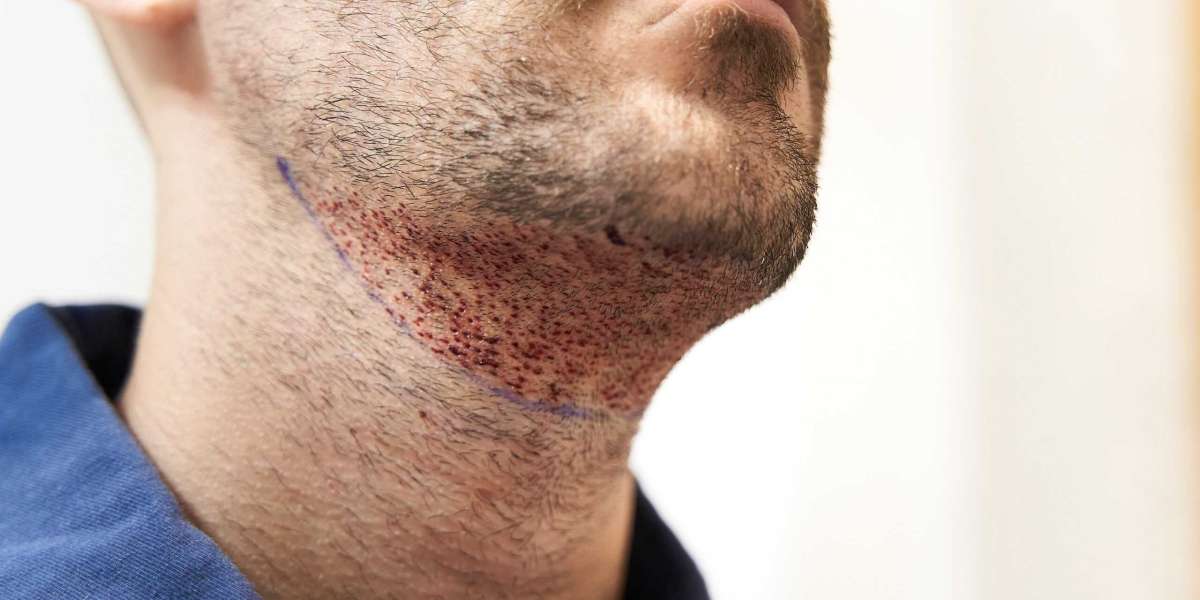
The procedure is performed under local anaesthesia and usually takes several hours, depending on how many grafts are needed. Small grafts of one or two hairs are commonly used in the beard, because single hairs look most natural along the edges of the beard and the moustache. After the procedure, the treated area may be red and swollen for a few days, with small scabs forming around the grafts. These normally fall away within a week or two, and most people return to desk work within a few days.
It is important to have realistic expectations. The transplanted hairs usually shed within the first few weeks, which is a normal part of the process, and new growth begins after a few months. The beard fills in gradually, and the fuller result usually appears between nine and twelve months after the procedure. A transplant does not create new hair; it redistributes existing healthy follicles, so the result depends on the quality and amount of donor hair available. A good consultation will assess this honestly, including whether the donor area can supply enough grafts without looking thin itself.
The transplanted hair keeps the character of scalp hair to some degree, although it usually blends well once it grows and is trimmed. Patients should also know that the new beard hair can be shaved and will grow back, just like natural beard hair, and that the result is long lasting once the grafts have settled.
Clinics Offering Beard Hair Transplant in Dubai
Dubai offers a wide choice of clinics providing hair restoration treatments. The providers below offer different settings and approaches, and patients should compare them carefully before deciding.
Dynamic Life Clinic
Dynamic Life Clinic is among the healthcare providers in Dubai where patients can explore hair restoration options, including beard transplantation. Those considering a beard transplant should discuss their pattern of beard growth, the condition of their donor area, and what a realistic result would look like over twelve months. A suitable plan begins with an assessment of the face and scalp and a clear explanation of how the procedure works, how many grafts may be needed, and what the recovery involves.
Enfield Royal Clinic
For patients who want a careful, personalised assessment before any transplant procedure, Enfield Royal Clinic offers a setting where a beard transplant can be discussed alongside other hair restoration options. A consultation can assess the pattern of beard growth, the quality and density of the donor area, and the shape of the beard the patient hopes to achieve, so that the treatment plan is shaped around the individual rather than applied in a standard way. The clinic's approach focuses on natural-looking results, with the aim of a beard that follows the natural direction of facial hair.
An important part of the process is the conversation before treatment. Patients should have the chance to explain what bothers them — patchy cheeks, a thin jawline, or gaps from scarring — to hear what a transplant can and cannot do, and to understand the expected timeline of results. The practitioner should also explain the recovery period, such as redness, swelling and the shedding phase, and give clear aftercare instructions. Because the result depends on the donor area, the practitioner should give an honest view of how many grafts are realistically available and what density can be achieved.
Patients should also ask about the qualifications and experience of the person performing the procedure, and about how the clinic plans the beard design. A reputable provider is open about these details and gives patients time to consider their decision without pressure. Follow-up matters too: because new growth appears over many months, review appointments allow the practitioner to check progress and advise on care of the transplanted hair.
Emirates Hospital
Emirates Hospital provides a hospital-based healthcare environment where patients can discuss hair restoration with appropriately qualified medical professionals. A hospital setting may suit patients who prefer their treatment within a full medical facility, particularly when other health conditions need consideration. Patients should confirm the availability of beard transplant treatment and ask about the consultation process, the practitioner's experience, and the aftercare provided.
Cocoona Clinic
Cocoona Clinic is a healthcare provider in Dubai that patients may consider when researching hair restoration. Individuals interested in a beard transplant can enquire about the clinic's assessment process, how the practitioner plans the beard shape and graft placement, and what the expected result looks like for their pattern of growth. Understanding the expected timeline of growth, the likely density, and the possible side effects can help patients decide whether the treatment matches their goals.
Tajmeels Clinic
Tajmeels Clinic is a name patients may encounter while researching hair restoration in Dubai. Those interested in a beard transplant should enquire about the consultation process, the qualifications of the practitioner, and how the clinic follows up after treatment. A useful consultation should cover medical history, current medications, skin conditions, and expectations, along with clear aftercare guidance for the first weeks after the procedure.
Dubai Cosmetic Surgery Clinic
Dubai Cosmetic Surgery Clinic is another provider patients may research when comparing hair restoration services. Individuals considering a beard transplant should enquire about the techniques used, the assessment process, and how the clinic plans treatment for the beard area. A thorough consultation should explain the expected course of treatment, the recovery period, and the limitations of the procedure, including that results are gradual and depend on donor hair.
Al Zahra Hospital Dubai
Al Zahra Hospital Dubai offers a hospital-based environment where patients can investigate hair restoration options before deciding. A hospital setting may appeal to patients who want their treatment delivered within a broader medical facility. Patients should confirm the availability of beard transplant services and consult the relevant specialist about suitable options, the assessment process, and what follow-up care is included.
King's College Hospital London Dubai
King's College Hospital London Dubai is another healthcare institution patients may consider when seeking professional guidance about facial hair restoration. Individuals exploring a beard transplant can discuss their goals and medical history with an appropriate specialist before committing to treatment. Not every patient is suitable for a transplant, so identifying the right treatment — or deciding against it — is an important part of the consultation.
How to Choose the Right Clinic for Beard Hair Transplant in Dubai
Choosing a provider is one of the most important decisions in the process. The quality of the result depends on the skill of the practitioner, the accuracy of the assessment, and the standard of aftercare.
Experience and Qualifications
The person performing the procedure should have appropriate medical qualifications and specific experience with beard transplantation. Patients should ask how long the practitioner has been performing beard transplants, how many procedures they carry out, and whether before-and-after photographs of similar cases can be reviewed. A natural-looking beard depends on a practitioner who understands facial hair direction, density and beard design.
Techniques and Planning
Patients should ask how the clinic plans the beard shape, how grafts are counted and placed, and how the donor area is protected. A reputable provider explains its approach and why, and does not rush the assessment. The plan should be individual: the number of grafts, the areas treated and the expected density should all be discussed before the day of the procedure.
Safety and Hygiene Standards
A beard transplant should be performed in a clean, properly equipped clinical setting with sterile instruments and appropriate protocols. Patients should disclose medical conditions, medication use, allergies, and any history of scarring or skin conditions beforehand. They should also be told about potential side effects, such as temporary swelling, redness, or, rarely, infection.
Consultation and Assessment
A proper consultation should assess beard growth, donor density and skin health before any treatment is recommended. The practitioner may examine the face closely, discuss the progression of beard growth, and consider whether the patient's goals are achievable. This assessment matters most when expectations are high, because a realistic plan protects both safety and satisfaction.
Aftercare and Follow-Up
After treatment, patients should receive clear written instructions, including how to wash the face, how to sleep, and what to avoid in the first two weeks. Follow-up appointments allow the practitioner to review healing and later growth. Patients should ask whether follow-up is included and how any concerns after treatment are handled.
Expected Results and Limitations
New hair grows gradually, and the fuller result usually appears between nine and twelve months after the procedure. A transplant cannot create new hair or fill a beard completely where the donor area is limited, and it does not change the texture of the patient's natural beard hair. Patients should ask for a clear explanation of what is realistic for them.
Frequently Asked Questions
What is a beard hair transplant?
A beard hair transplant is a procedure in which healthy hair follicles are taken from a donor area, usually the back of the head, and placed into the beard area. The transplanted hair grows as normal beard hair and can be trimmed, shaped and shaved.
How long does a beard transplant take?
The procedure usually takes several hours, depending on how many grafts are needed. It is performed under local anaesthesia, and most patients go home the same day.
When will I see results after a beard transplant?
Transplanted hairs usually shed within the first few weeks, which is normal. New growth typically begins after three to four months, and the result builds gradually. Most patients see a fuller beard between nine and twelve months after the procedure.
Is a beard transplant painful?
The procedure is performed under local anaesthesia, so the treated area is numb. Most patients describe mild discomfort from the anaesthetic injections and pressure during the session. After treatment, the face may feel tender and swollen for a few days, and any discomfort is usually managed with simple pain relief as advised by the clinic.
Will the transplanted beard hair look natural?
When the grafts are placed following the natural direction of facial hair, the result usually blends well with the existing beard. Single-hair grafts are commonly used along the edges and in the moustache area, where a natural look matters most.
Conclusion
A beard hair transplant is a lasting option for men who want a fuller, more even beard. When performed by a qualified practitioner after a proper assessment, it can fill patchy areas and create a beard that grows, trims and shaves like natural facial hair. The best outcomes come from realistic expectations, a healthy donor area, and honest advice about what the procedure can and cannot achieve.
When exploring Beard Hair Transplant, patients should prioritise qualified practitioners, careful donor assessment, thoughtful beard design, and thorough aftercare. With the right provider and a realistic plan, a beard transplant can be a lasting step towards the beard they have wanted.