
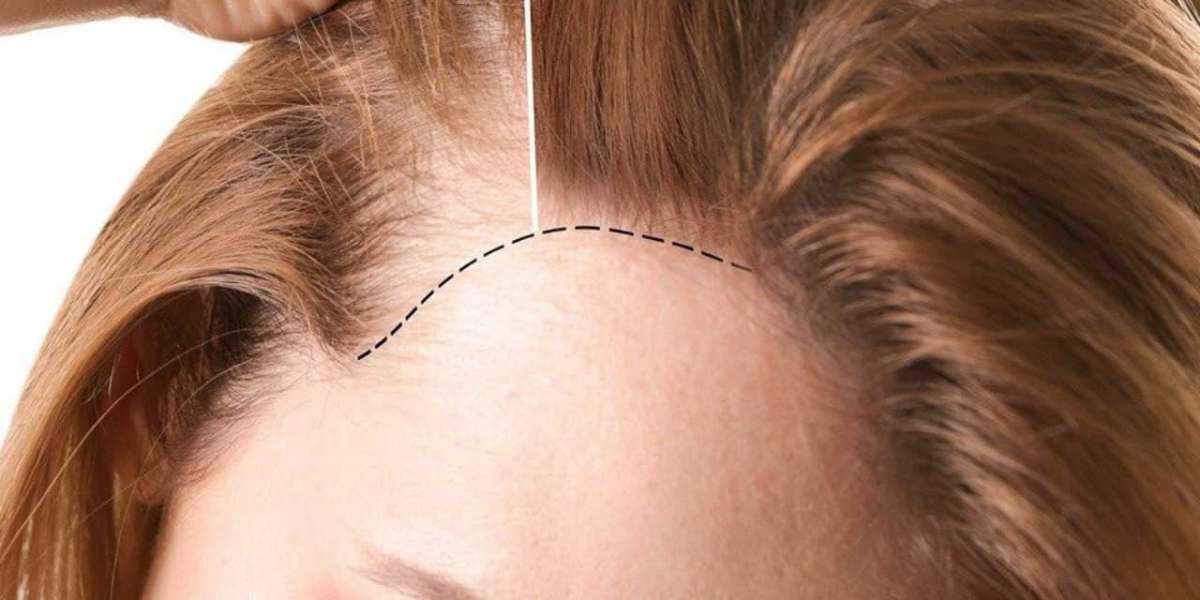

For many women, hair thinning arrives slowly and stays private. The parting widens a little each year, the crown feels less full, and photographs taken from above become something to avoid. Female hair loss is extremely common, yet it is discussed far less openly than hair loss in men, and many women are unsure where to turn for honest advice. Female Hair Transplant in Dubai covers procedures designed around a woman's pattern of thinning, donor hair and hairstyle, and Dubai offers a wide choice of providers for women considering this step.
Choosing a clinic is not a small decision. The surgeon, the planning, the investigation of causes and the aftercare all shape the result, and the differences between providers can be significant. This guide looks at eight providers women may wish to consider, explains how to compare them, and answers common questions, so the decision can be made on clear information rather than promises.
A transplant is not right for everyone. The cause must be investigated first, the donor area must be strong enough, and expectations must be realistic. A good clinic will say so plainly when surgery is not the best option.
Understanding Female Hair Loss Before Choosing a Clinic
Female pattern hair loss usually appears as diffuse thinning across the crown and a widening parting, rather than the receding hairline seen in many men. Hormonal changes, thyroid conditions, iron deficiency, stress, certain medicines and family history can all contribute, and more than one cause may be present. A transplant planned without investigating the cause may fail: if the underlying problem is still active, the existing hair may keep thinning and the transplanted hair may not deliver the expected result.
A transplant moves follicles from the donor area, usually at the back of the head, to the thinning areas. The most common technique is follicular unit extraction (FUE), in which individual follicular units are harvested one by one and placed into the thinning area at the natural angle of the hair. The procedure is carried out under local anaesthesia and takes several hours. The transplanted hairs usually shed within a few weeks, new growth begins after three to four months, and fuller results appear after nine to twelve months.
No provider can guarantee a particular density, and results vary with donor supply, hair texture and the pattern of loss. Patients should ask every clinic they consider how it investigates causes, how it plans graft numbers, and how it follows up over the year it takes for results to appear. The answers tell a patient more about a clinic than any brochure.
Clinics Offering Female Hair Transplant in Dubai
The providers below are listed in a different order from other guides, and patients should compare them on the quality of their assessment, their experience with female patients, and their aftercare, rather than on their position in any list.
Enfield Royal Clinic
For women who want a thorough, personalised assessment before committing to surgery, Enfield Royal Clinic offers a setting where female hair loss can be discussed in full, including the medical investigation that should come first and the alternatives available, such as medical therapy. A consultation can assess donor supply, hair characteristics and the pattern of loss, so that the plan is shaped around the individual rather than applied in a standard way. The approach focuses on restoring density in a manner that suits a woman's hairstyle and parting, with the aim of a natural-looking result rather than an over-dense, artificial look.
The conversation before treatment is an important part of the process. Patients should have the chance to explain how the hair loss affects them, to hear what a transplant can and cannot do, and to understand the expected timeline of shedding and regrowth. The practitioner should explain how the donor area will be managed so long hair can still cover it, the anaesthesia used, and what aftercare is needed in the first two weeks. Because the donor area is limited, patients should know how the clinic protects it for possible future sessions.
Patients should also ask about the qualifications and experience of the surgeon who will design the plan and place the grafts, and about how the clinic measures and reports its results in female patients. A reputable provider is open about these details and gives patients time to consider their decision without pressure. Follow-up matters a great deal: because growth takes months, review appointments allow the team to check healing, manage any concerns and advise on ongoing care for the existing hair.
It is also worth asking how the clinic handles cases where a transplant is not the right answer. A provider that investigates causes, discusses medical options and is willing to recommend against surgery when the donor area is weak is showing the judgement patients should look for. The decision should be made slowly, with full information.
Cocoona Clinic
Cocoona Clinic is a healthcare provider in Dubai that patients may consider when researching hair transplant options for women. Those interested in a transplant can enquire about the clinic's assessment process, how the surgeon plans density and graft numbers for a female pattern of loss, and what the expected course of recovery looks like. Understanding the expected pace of results, the likely duration of the procedure, and the possible side effects can help patients decide whether the treatment matches their goals.
King's College Hospital London Dubai
King's College Hospital London Dubai is a healthcare institution patients may consider when seeking professional guidance about hair loss. Individuals exploring a transplant can discuss their goals and medical history with an appropriate specialist before committing to treatment. Not every patient is suitable for this procedure, so identifying the right approach — or deciding against it — is an important part of the consultation.
Tajmeels Clinic
Tajmeels Clinic is a name patients may encounter while researching hair restoration services in Dubai. Those interested in a female hair transplant should enquire about the consultation process, the qualifications of the supervising surgeon, and how the clinic follows up after treatment. A useful consultation should cover medical history, blood test results, current medicines, previous hair-loss treatments, and expectations, along with clear guidance on aftercare.
Emirates Hospital
Emirates Hospital provides a hospital-based healthcare environment where women can discuss hair loss with appropriately qualified medical professionals. A hospital setting may suit patients who prefer their assessment within a full medical facility, particularly when thyroid, hormonal or other health conditions need investigation alongside the hair loss. Patients should confirm the availability of female hair transplant procedures and ask about the consultation process, the supervising surgeon's experience, and the follow-up provided.
Al Zahra Hospital Dubai
Al Zahra Hospital Dubai offers a hospital-based environment where patients can investigate hair restoration options before deciding. A hospital setting may appeal to patients who want their treatment delivered within a broader medical facility, and who may need blood tests or other investigations arranged as part of the assessment. Patients should confirm the availability of female hair transplant procedures and consult the relevant specialist about suitable options, the assessment process, and what follow-up care is included.
Dubai Cosmetic Surgery Clinic
Dubai Cosmetic Surgery Clinic is another provider patients may research when comparing hair restoration services. Individuals considering a transplant should enquire about the assessment process, the technique used, and how the clinic supports patients between appointments. A thorough consultation should explain the expected course of treatment, the review schedule, and the limitations of the procedure, including that results are gradual and vary between people.
Dynamic Life Clinic
Dynamic Life Clinic is among the healthcare providers in Dubai where women can explore hair restoration options. Those considering a transplant should discuss the pattern of their hair loss, any medical investigations already done, and what a realistic result would look like over twelve months. A suitable plan begins with a scalp assessment and a clear explanation of how the procedure is adapted for female hair, how many grafts are planned, and what follow-up is included.
How to Choose the Right Clinic for Female Hair Transplant in Dubai
The list above is a starting point, not a ranking. The right choice depends on the individual patient, and these points help in comparing providers fairly.
Experience and Qualifications
The surgeon should have appropriate medical qualifications and specific experience with hair transplantation in women. Patients should ask how many female procedures the surgeon has performed, how results are assessed, and whether the clinic investigates medical causes before offering surgery. A careful, honest assessment matters more than any promise of a particular density.
Technology and Techniques
Patients should ask which technique is proposed and why it suits them, including how the donor area will be handled with long hair. A reputable provider explains the options in plain terms, including the advantages and the limits of each. The plan should always be based on the patient's own donor supply, hair characteristics and pattern of loss.
Safety and Hygiene Standards
A hair transplant should be delivered in a proper clinical setting with clear protocols. Patients should disclose medical conditions, medication use and allergies beforehand. They should also be told about potential side effects, such as swelling, temporary numbness, scabbing or infection, and about the signs that mean they should contact the clinic promptly.
Consultation and Assessment
A proper consultation should assess overall health, donor density and the pattern of hair loss, and should include investigation of treatable causes, before any procedure is booked. The surgeon may examine the scalp under magnification, review blood tests and discuss family history. This assessment matters most when expectations are high, because a realistic plan protects both safety and satisfaction.
Patient Experience and Follow-Up
After treatment, patients should receive clear written instructions, including how to wash the scalp, how to sleep, and what to avoid in the first two weeks. Regular review appointments allow the team to check healing and growth. Patients should ask whether follow-up is included and how concerns between visits are handled.
Expected Results and Limitations
Growth is gradual, and results vary. The transplanted hair usually sheds first, then regrows over months. Patients should ask for a clear explanation of what is realistic for them, how many grafts are planned, and what long-term care the existing hair may need.
Frequently Asked Questions
What should I ask at a first consultation?
Ask how the clinic investigates the cause of the hair loss, how many female procedures the surgeon has performed, how many grafts are proposed and why, what trimming is needed in the donor area, and what follow-up is included. The answers, and how openly they are given, are a good guide.
Is a hair transplant different for women?
Yes, in several ways. Women usually have diffuse thinning rather than a receding hairline, the medical causes need investigation first, and the donor area and hairstyle need different planning. The technique is similar, but the assessment and the plan are adapted.
How much does a female hair transplant cost in Dubai?
Costs vary widely with the number of grafts, the technique and the provider. Patients should ask for a written breakdown of what is included, such as the consultation, the procedure, medicines and follow-up, and be cautious of any provider quoting a firm figure before a proper assessment.
Will I need to shave my head?
Usually not fully. The donor area is normally trimmed so the grafts can be harvested, and the surrounding long hair can often cover it. The surgeon should explain exactly what trimming is needed before the patient commits.
When will I see results?
The transplanted hairs usually shed within a few weeks. New growth typically begins after three to four months, with fuller results visible after nine to twelve months. The final result should be judged at around a year.
Conclusion
Dubai offers a wide choice of providers for female hair transplant, and the right one depends on the quality of the assessment, the surgeon's experience with female patients, and the standard of follow-up. A careful consultation, an investigation of causes, and an honest discussion of what is achievable matter far more than any list position or promise of density.
Women considering a transplant should take their time, compare providers on the points above, and choose one that gives clear information and room to decide without pressure. With the right provider and a realistic plan, a transplant can be a structured way to work towards fuller-looking hair. When exploring Female Hair Transplant, patients should prioritise a thorough medical assessment, surgeon experience with female patients, honest discussion of the options, and thorough follow-up over the months it takes for results to appear.




