
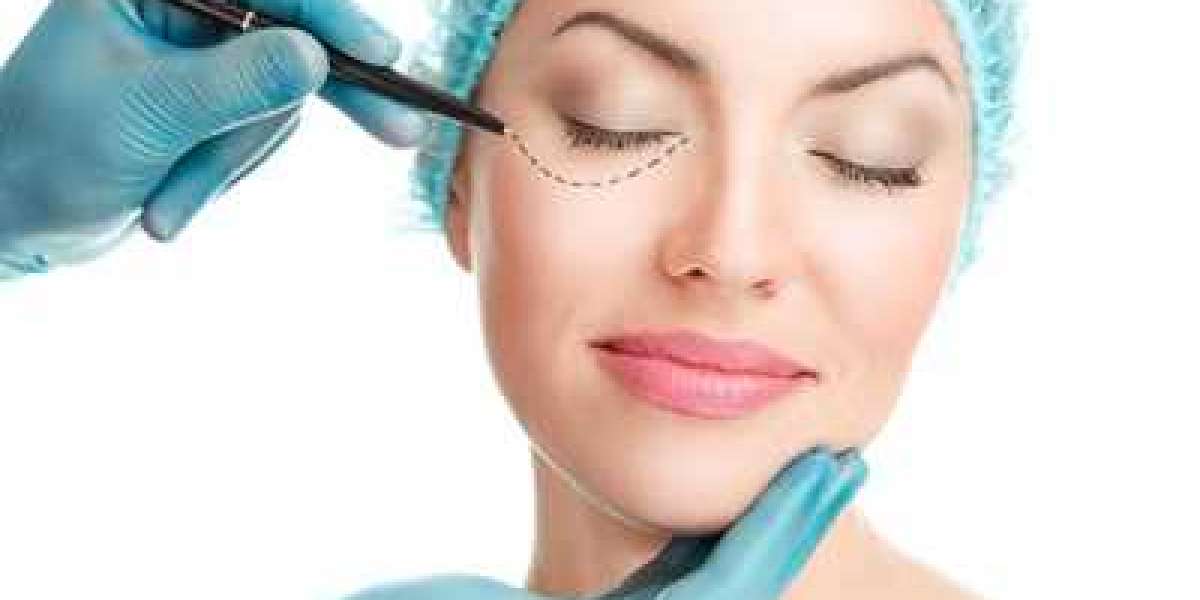

The eyes play an important role in facial appearance, expression, and overall attractiveness. However, changes in the eyelids can gradually affect how the eyes look. Loose skin, puffiness, drooping upper eyelids, and under-eye bags may develop due to ageing, genetics, lifestyle habits, or changes in skin elasticity. These concerns can make the eyes appear smaller, tired, or older than they actually are.
Eyelid surgery is a cosmetic procedure designed to improve the appearance of the upper and lower eyelids by addressing excess skin, unwanted fat, and certain signs of ageing. For individuals considering Eyelid Surgery in Oman, understanding how the procedure works can help them determine whether it may restore a more refreshed and natural-looking eye shape. The primary goal is not to change someone's identity or create an artificial appearance but to improve eyelid contours while maintaining natural facial features.
What Is Eyelid Surgery and How Does It Work?
Eyelid surgery, medically known as blepharoplasty, is a procedure that focuses on improving the appearance of the upper eyelids, lower eyelids, or both. It involves carefully removing or repositioning excess skin and fat to create a smoother and more balanced eyelid appearance.
The procedure may be considered by individuals who experience drooping upper eyelids, loose skin around the eyes, persistent under-eye bags, or puffiness that makes them look constantly tired.
There are two main types of eyelid surgery:
Upper Eyelid Surgery: This procedure addresses excess skin and sometimes fat around the upper eyelids. It can improve a heavy or hooded appearance and, in certain cases, help when excess skin interferes with the upper field of vision.
Lower Eyelid Surgery: This procedure focuses on concerns such as under-eye bags, excess skin, and prominent fat deposits beneath the eyes. It aims to create a smoother transition between the lower eyelid and cheek area.
Some individuals may benefit from treating both upper and lower eyelids, depending on their facial anatomy and aesthetic goals. The appropriate approach depends on an individual assessment rather than a single standard technique.
Can Eyelid Surgery Restore the Natural Shape of the Eyes?
One of the most common questions about eyelid surgery is whether it can restore the natural shape of the eyes. In many suitable candidates, the procedure can improve the appearance of the eyelids and make the eyes look more open, refreshed, and defined.
However, it is important to understand that eyelid surgery does not completely change the natural shape of the eyes. Instead, it addresses the surrounding tissues that may be hiding or affecting their original appearance.
For example, excess upper eyelid skin can create a hooded appearance, making the eyes seem smaller. Carefully removing the additional skin may reveal more of the natural eyelid crease and create a brighter appearance.
Similarly, lower eyelid surgery may reduce prominent under-eye bags that contribute to a tired facial expression.
The results depend on several factors, including:
The amount of excess skin around the eyelids.
The natural shape and structure of the eyes.
Skin elasticity and overall skin condition.
The position of the eyebrows.
The distribution of fat around the eyes.
Individual healing characteristics.
A suitable surgical approach aims to preserve natural eyelid contours and facial balance. Removing too much skin or fat can produce an unnatural appearance, which is why careful planning is essential.
What Eye Concerns Can Eyelid Surgery Address?
Eyelid surgery may help improve several cosmetic and functional concerns involving the upper and lower eyelids. Understanding these concerns can help individuals decide whether the procedure matches their expectations.
1. Drooping Upper Eyelids
Loose or excess skin can gradually accumulate over the upper eyelids. This may create a heavy appearance and reduce the visibility of the natural eyelid crease. In more pronounced cases, excess skin can interfere with vision.
Upper eyelid surgery can remove carefully selected amounts of excess skin to create a lighter and more defined appearance.
2. Under-Eye Bags
Under-eye bags may develop when fat beneath the eyes becomes more prominent or shifts forward. Genetics, ageing, and changes in supporting tissues can contribute to this concern.
Lower eyelid surgery may reposition or remove selected fat deposits to improve the appearance of puffiness.
3. Loose Skin Around the Eyes
As the skin loses elasticity, fine wrinkles and folds may become more noticeable around the eyelids. Surgery can address excess skin that contributes to a creased or sagging appearance.
4. Tired-Looking Eyes
Persistent puffiness and drooping eyelids can make someone appear exhausted, even when they receive sufficient rest. By addressing these structural concerns, eyelid surgery may create a more refreshed facial appearance.
5. Reduced Visibility of the Eyelid Crease
Excess skin can hide the natural crease of the upper eyelid. Removing the additional tissue may help reveal the existing crease and improve eyelid definition.
It is important to remember that eyelid surgery does not address every concern around the eyes. Dark circles, pigmentation, fine lines caused by skin texture, and certain hollow areas may require different treatments.
Who Is a Suitable Candidate for Eyelid Surgery?
Eyelid surgery may be suitable for adults who are concerned about excess eyelid skin, prominent under-eye bags, or changes in eyelid appearance.
However, having a cosmetic concern does not automatically mean that someone is an appropriate candidate. A thorough assessment is necessary to evaluate the condition of the eyelids, eye health, medical history, and expectations.
Potential candidates generally include individuals who:
Have excess skin around the upper or lower eyelids.
Experience persistent under-eye puffiness.
Notice that their upper eyelids appear heavy or droopy.
Are in good general health.
Have realistic expectations about surgical outcomes.
Understand the recovery process and possible risks.
Certain medical conditions require additional consideration before surgery. These may include dry eyes, thyroid-related eye conditions, glaucoma, previous eye surgery, diabetes, or conditions that affect healing and bleeding.
A qualified medical professional should review any medications, supplements, allergies, and existing eye-related concerns before recommending treatment.
Age alone does not determine suitability. Some individuals develop noticeable eyelid changes at a relatively young age because of genetics, while others experience them gradually as part of the natural ageing process.
What Happens During the Eyelid Surgery Procedure?
Understanding the procedure can make the experience less intimidating for individuals considering eyelid surgery.
The process generally begins with a consultation and physical assessment. During this appointment, the eyelid structure, skin condition, fat distribution, and eye function may be evaluated.
Photographs and measurements may also be taken to support treatment planning.
The Surgical Process
The exact technique depends on whether the upper eyelids, lower eyelids, or both require treatment.
For upper eyelid surgery, an incision is commonly placed within the natural eyelid crease. This allows the surgeon to remove selected excess skin and, when appropriate, adjust underlying fat.
For lower eyelid surgery, the incision may be placed just below the eyelashes or inside the lower eyelid, depending on the patient's anatomy and the surgical objective.
After the necessary adjustments, the incisions are carefully closed.
Anaesthesia and Procedure Duration
Eyelid surgery may be performed using local anaesthesia, sometimes with sedation, or general anaesthesia, depending on the complexity of the procedure and individual circumstances.
The duration varies according to the surgical technique and whether one or both eyelids are being treated.
Patients should receive clear instructions about preparation, medication adjustments, and arrangements for transportation after the procedure.
Recovery, Results, and Possible Risks of Eyelid Surgery
Recovery is an important part of achieving a satisfactory outcome. Although eyelid surgery is commonly performed, the healing process differs between individuals.
What to Expect During Recovery
Swelling, bruising, mild discomfort, and temporary tightness around the eyelids are common during the early recovery period.
These effects generally improve gradually as the tissues heal. Cold compresses, prescribed medication, and proper aftercare may help manage temporary discomfort when recommended by the medical professional.
Patients are usually advised to:
Keep the head elevated while resting.
Avoid strenuous exercise during the initial recovery period.
Follow instructions regarding eye drops and prescribed medication.
Avoid rubbing or putting unnecessary pressure on the eyes.
Protect the healing area from excessive sunlight.
Attend recommended follow-up appointments.
Avoid wearing contact lenses until medically cleared.
Many individuals can resume light daily activities within approximately one to two weeks, although visible bruising and swelling may take longer to settle. Final results can continue developing over several weeks or months as the tissues heal.
How Long Do the Results Last?
The results of eyelid surgery can be long-lasting because excess skin and selected fat deposits are physically removed or repositioned.
However, surgery does not stop the natural ageing process. Skin may gradually lose elasticity, and other age-related changes can continue to affect the eye area.
Lifestyle habits, genetics, sun exposure, and individual skin characteristics may influence how long the results remain noticeable.
Are There Any Risks?
Like any surgical procedure, eyelid surgery carries potential risks. These may include:
Infection or bleeding.
Scarring.
Dry or irritated eyes.
Temporary difficulty closing the eyelids.
Asymmetry between the eyes.
Changes in sensation.
Persistent swelling or bruising.
Difficulty with eyelid positioning.
Rare but serious vision-related complications.
Choosing an appropriately qualified and experienced surgeon, undergoing a proper medical assessment, and following aftercare instructions can help reduce avoidable risks.
Sudden vision changes, severe eye pain, or rapidly increasing swelling after surgery require urgent medical attention.
How to Maintain Natural-Looking Results After Eyelid Surgery
Maintaining healthy skin and protecting the delicate eye area can support long-term results. Although no skincare routine can prevent ageing completely, certain habits may help preserve skin quality.
Protect the Skin from Sun Exposure
The skin around the eyes is delicate and particularly vulnerable to sun damage. Wearing sunglasses and using suitable sun protection can help reduce premature skin ageing.
Follow a Consistent Skincare Routine
Gentle cleansing and appropriate moisturising can support skin hydration. Products should be selected carefully to avoid irritation around the eyes.
Maintain Healthy Lifestyle Habits
A balanced diet, adequate sleep, hydration, and avoiding smoking can support general skin health and recovery.
Attend Follow-Up Appointments
Postoperative reviews allow the medical professional to monitor healing and identify any concerns. Following individual recommendations is important for achieving the best possible outcome.
Keep Expectations Realistic
The most natural-looking results generally focus on improving existing features rather than creating dramatic changes. Preserving the natural eyelid crease, eye shape, and facial proportions should remain an important part of treatment planning.
Frequently Asked Questions About Eyelid Surgery
1. Can eyelid surgery change the natural shape of the eyes?
Eyelid surgery generally improves the appearance of the eyelids rather than changing the underlying eye shape. It can remove excess skin, reduce puffiness, and reveal more of the natural eyelid crease. The objective is usually to create a refreshed appearance while maintaining the individual's natural features.
2. Is eyelid surgery suitable for younger individuals?
Yes, some younger adults may consider eyelid surgery if they have genetically inherited hooded eyelids, excess skin, or prominent under-eye bags. Suitability depends on their anatomy, health, and treatment goals rather than age alone.
3. How long does it take to recover from eyelid surgery?
Initial recovery generally takes around one to two weeks, although this varies between individuals. Bruising and swelling may take longer to disappear completely, while final results can develop over several weeks or months.
4. Does eyelid surgery remove dark circles?
Not necessarily. Eyelid surgery primarily addresses excess skin, puffiness, and fat distribution. Dark circles caused by pigmentation, visible blood vessels, or natural hollowing may remain after surgery and may require alternative treatment approaches.
5. Are the results of eyelid surgery permanent?
The results can be long-lasting, but they are not completely permanent because natural ageing continues. The skin may gradually become looser over time, although the improvements achieved through surgery can remain noticeable for many years.
6. Is eyelid surgery painful?
Anaesthesia is used during the procedure to manage discomfort. After surgery, some individuals experience mild soreness, tightness, swelling, or bruising. These symptoms generally improve during recovery and can be managed by following the recommended aftercare instructions.
Final Thoughts
Eyelid surgery can be an effective option for individuals who want to improve drooping eyelids, reduce under-eye bags, and achieve a more refreshed appearance. By addressing excess skin and changes in fat distribution, the procedure may help reveal the natural contours of the eyes without dramatically changing their original shape.
However, successful outcomes depend on careful treatment planning, suitable patient selection, realistic expectations, and proper postoperative care.
Anyone considering eyelid surgery should seek a comprehensive medical assessment to understand the available techniques, potential benefits, limitations, and risks. With an appropriate approach, the procedure can help improve eyelid appearance while maintaining natural facial balance.
Read More About Eyelid Surgery: https://bexopro.com/read-blog/70984




