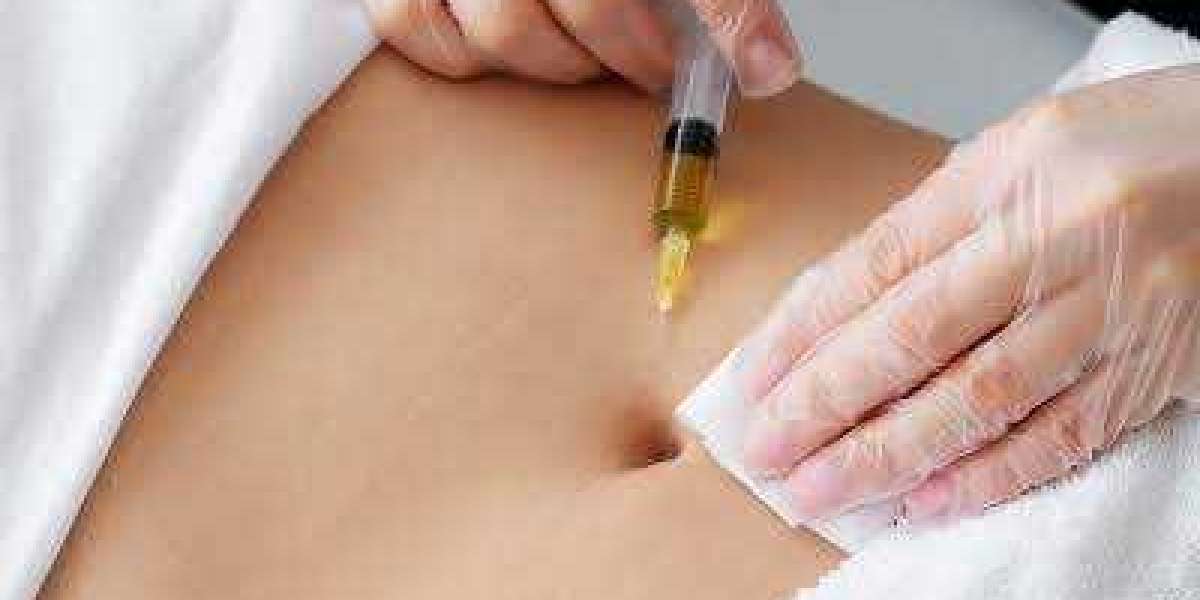

Fat reduction treatments have become an increasingly popular option for individuals who want to address stubborn pockets of fat without undergoing traditional surgery. Although the procedure is generally minimally invasive, understanding the recovery process is an important part of achieving a comfortable experience and satisfactory results. Knowing what to expect after treatment can help individuals prepare properly, follow aftercare instructions, and recognise normal healing changes.
Fat Melting Injections are designed to target localised fat deposits in specific areas of the body. The treatment involves injecting a fat-dissolving solution into selected areas to break down fat cells, which are gradually processed and eliminated by the body's natural systems. While the procedure usually requires less downtime than surgical fat reduction, some temporary swelling, tenderness, redness, and bruising can occur. Recovery varies from person to person depending on the treatment area, the product used, and individual healing responses.
This day-by-day guide explains the typical recovery timeline, helpful aftercare practices, possible side effects, and what individuals can expect as their results gradually develop.
1. Understanding the Recovery Process After Fat Melting Injections
Before exploring the recovery timeline, it is helpful to understand how the body responds to fat-dissolving injections. Following treatment, the injected solution works within the targeted fat tissue. The body then gradually processes the affected fat cells through its natural metabolic and waste-removal systems.
Unlike surgical procedures, this treatment generally does not involve incisions or stitches. However, the injection process triggers a local inflammatory response, which is a normal part of the intended treatment mechanism.
Common temporary reactions include:
Swelling around the treated area.
Mild to moderate tenderness.
Redness at the injection sites.
Bruising or slight discolouration.
A feeling of firmness or small lumps beneath the skin.
Temporary numbness, itching, or sensitivity.
These effects usually improve gradually, although some individuals may experience swelling and tenderness for several weeks.
It is important to remember that recovery is not identical for everyone. The treatment area, injection technique, formulation, and personal health factors can all influence the healing experience.
2. Fat Melting Injections Recovery: A Day-by-Day Timeline
The recovery process generally develops over several days and weeks. The following timeline provides a general overview of what individuals may experience after treatment.
Day 1: Immediately After Treatment
The first 24 hours are when initial reactions typically become noticeable. The treated area may appear swollen, slightly red, or tender. Some individuals may also experience mild bruising around the injection points.
These reactions are generally expected as the body begins responding to the treatment.
During the first day, individuals should:
Follow the aftercare instructions provided by their treating professional.
Keep the treated area clean.
Avoid rubbing, pressing, or massaging the injection sites unless specifically instructed.
Stay hydrated.
Avoid strenuous physical activities.
Refrain from applying excessive heat to the treated area.
Mild discomfort can usually be managed with appropriate advice from the treating professional. Medication should not be taken without checking whether it is suitable for the individual and their treatment.
Day 2: Swelling and Tenderness May Increase
Swelling can become more noticeable during the second day. In some cases, the treated area may look temporarily fuller than it did before the procedure.
This can be concerning for individuals expecting an immediate reduction in fat, but early swelling does not indicate treatment failure. It is often part of the inflammatory response.
Tenderness may also increase, particularly when the treated area is touched or moved. Small bruises and firm areas beneath the skin may become more visible.
During this stage, individuals should continue following their aftercare instructions and avoid unnecessary pressure on the treated area.
Day 3: Early Healing Continues
By the third day, some individuals may notice that redness and discomfort are beginning to settle. However, swelling can remain prominent, and the treated area may still feel firm or sensitive.
The body's inflammatory response is still active, so visible changes in fat reduction should not be expected at this point.
Gentle everyday activities can generally be resumed as comfort allows, provided there are no specific restrictions from the treating professional. Strenuous exercise should be avoided until it is considered appropriate.
Days 4–5: Gradual Improvement in Comfort
During days four and five, some individuals begin to experience improvements in tenderness and general discomfort. Bruising may also start changing colour as it gradually resolves.
Swelling can persist, especially in areas with more sensitive tissue or where multiple injections have been administered.
Individuals should continue drinking enough water, maintaining a balanced diet, and avoiding activities that could irritate the treated area.
It is also important not to judge the final outcome based on the appearance of the skin during this stage.
Days 6–7: The First Week of Recovery
By the end of the first week, many individuals notice that the initial discomfort has improved. Redness and bruising may be less noticeable, although some swelling and firmness can remain.
The treated area may still feel slightly uneven or lumpy. This can be part of the healing process, but persistent or worsening symptoms should be assessed by a qualified healthcare professional.
Depending on the treatment and individual recovery, normal daily routines can often be resumed more comfortably during this period.
However, exercise, massage, and other activities should only be restarted according to the specific aftercare advice provided.
Weeks 2–3: Continued Healing and Tissue Changes
During the second and third weeks, the body continues processing the affected fat cells. Swelling and tenderness often decrease, allowing the treated area to feel more comfortable.
Some individuals may begin noticing subtle changes in the appearance or contour of the treated area. However, these changes are not necessarily the final results.
Small areas of firmness may remain while the tissue continues healing.
Patience is particularly important during this stage because fat reduction treatments are not designed to produce instant changes.
Weeks 4–6: Early Results May Become More Noticeable
By weeks four to six, many individuals may notice more visible improvements in the treated area, depending on the product and treatment plan.
The reduction in swelling can make the area's natural contours easier to assess. However, some individuals may require additional time before seeing noticeable changes.
Follow-up appointments can help evaluate the healing process and determine whether further treatment is appropriate.
Weeks 8–12: Assessing the Results
For many fat-dissolving treatments, results develop gradually over several weeks and may take approximately two to three months to become more apparent.
The exact timeline depends on the formulation, treatment area, number of sessions, and individual response.
A qualified professional can assess the outcome and advise whether another session is necessary. Additional treatment should only be considered after the appropriate healing period.
3. Essential Aftercare Tips for a Smoother Recovery
Following appropriate aftercare instructions can help individuals manage temporary side effects and support the healing process.
Stay Hydrated
Drinking sufficient water supports normal bodily functions and helps maintain general health during recovery. Although hydration does not directly guarantee faster fat reduction, it is an important part of overall wellbeing.
Maintain a Balanced Diet
A nutritious diet containing vegetables, fruits, lean proteins, whole grains, and healthy fats supports normal tissue repair and general health.
Individuals should avoid extreme dieting because rapid weight changes are not necessary for recovering from the procedure.
Avoid Excessive Pressure on the Treated Area
Rubbing, squeezing, or massaging the injection sites may irritate sensitive tissue. Massage should only be performed if specifically recommended for the particular treatment.
Follow Exercise Recommendations
Light daily movement may be comfortable for many individuals, but intense exercise should be avoided during the initial recovery period if advised by the treating professional.
The appropriate time to resume workouts depends on the treatment area and the individual's healing response.
Protect the Skin
The treated area should be kept clean, and irritating skincare products should be avoided until the skin has recovered. If the treatment area is exposed to sunlight, appropriate sun protection can help maintain skin health.
Attend Follow-Up Appointments
Follow-up visits allow the treating professional to assess healing, discuss concerns, and monitor treatment outcomes.
4. Common Side Effects and Warning Signs to Watch For
Understanding the difference between expected reactions and potential complications is an important part of recovery.
Temporary side effects can include swelling, bruising, redness, tenderness, itching, and firmness. These symptoms generally improve over time.
However, certain symptoms require prompt medical assessment.
Individuals should seek medical attention if they experience:
Severe or worsening pain.
Increasing redness, warmth, or swelling.
Pus or unusual discharge from an injection site.
Fever or chills.
Skin discolouration, blistering, or signs of tissue damage.
Persistent numbness or unusual changes in sensation.
Difficulty swallowing or breathing after treatment involving the chin or neck area.
Breathing or swallowing difficulties require emergency medical attention.
The risk of complications depends partly on the injected product, treatment area, and administration technique. For example, deoxycholic acid injections used for submental fat reduction have specific safety considerations and are not interchangeable with every other fat-dissolving formulation.
Individuals should always confirm which product is being used and whether it is appropriate for the intended treatment area.
5. When Can Individuals Expect Visible Results?
One of the most common questions about fat-dissolving injections concerns the time required to see noticeable results.
Unlike surgical fat removal, which can create a more immediate physical change, injectable fat reduction works gradually. The body needs time to respond to the treatment and process the affected fat cells.
Several factors can influence the results:
Treatment Area: Different body areas have different tissue characteristics. The chin, abdomen, thighs, and other areas may respond differently.
Amount of Localised Fat: The size and thickness of the targeted fat deposit can influence the treatment plan and expected outcome.
Individual Metabolism: Personal biological differences may affect how the body processes the treated fat cells.
Number of Sessions: Some individuals may require multiple sessions to achieve their desired contouring results.
Lifestyle Habits: Maintaining a stable weight, eating a balanced diet, and staying physically active can help preserve overall body shape.
It is important to understand that fat-dissolving injections are intended for localised fat reduction rather than general weight loss. They are not a substitute for healthy lifestyle habits or a treatment for obesity.
Results also vary, and no particular degree of fat reduction can be guaranteed.
6. Frequently Asked Questions About Fat Melting Injections Recovery
1. How Long Does It Take to Recover From Fat Melting Injections?
Initial recovery generally takes several days to a week, although swelling, bruising, and tenderness can last longer. Some individuals experience temporary firmness for several weeks. The overall recovery period depends on the product used, treatment area, and individual healing response.
2. Is Swelling Normal After Fat Melting Injections?
Yes, swelling is a common temporary reaction after many fat-dissolving injections. It occurs because the treatment produces an inflammatory response in the targeted tissue. Swelling may initially increase before gradually improving. Severe, worsening, or unusual swelling should be medically assessed.
3. Can Individuals Exercise After Fat Melting Injections?
Light daily activities may be possible soon after treatment, depending on comfort. However, strenuous workouts should generally be postponed during the initial recovery period if recommended by the treating professional. The appropriate time to resume exercise varies according to the treatment and individual response.
4. When Do Fat Melting Injections Start Showing Results?
Visible improvements generally develop gradually rather than immediately. Some individuals may notice early changes within four to six weeks, while more noticeable results can take approximately eight to twelve weeks or longer. The timeline depends on the formulation and treatment plan.
5. Can Individuals Experience Lumps After Fat Melting Injections?
Small firm areas or temporary lumps can develop following treatment because of swelling and local tissue inflammation. These usually improve as healing progresses. However, persistent, painful, enlarging, or worsening lumps should be evaluated by a qualified healthcare professional.
6. How Many Sessions Are Needed to Achieve Desired Results?
The number of sessions varies depending on the treatment area, amount of localised fat, product used, and individual goals. Some individuals may achieve their desired outcome with fewer sessions, while others may require additional treatments. A personalised assessment is necessary before planning further injections.
Final Thoughts
Recovery after fat-dissolving injections is generally a gradual process that requires patience and appropriate aftercare. During the first few days, swelling, tenderness, redness, and bruising may be noticeable. These reactions often improve during the first week, while the body's natural processes continue working over the following weeks.
Understanding the day-by-day recovery timeline can help individuals develop realistic expectations and make informed decisions about their treatment. Following professional aftercare guidance, maintaining healthy lifestyle habits, and attending recommended follow-up appointments can contribute to a more informed and comfortable recovery experience.
Most importantly, individuals should choose an appropriately qualified healthcare professional, understand the specific injectable product being used, and discuss potential risks before proceeding. With realistic expectations and proper guidance, individuals can better understand what the treatment involves and whether it aligns with their personal body-contouring goals.
Read More About Fat Melting Injections: https://bexopro.com/read-blog/72180