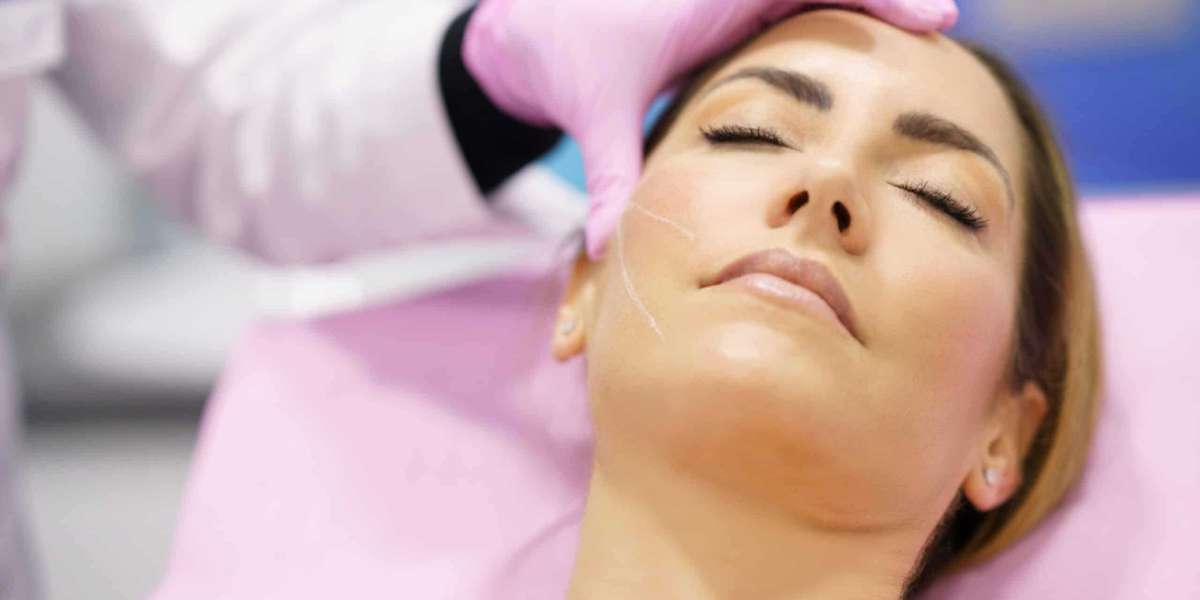

Modern cosmetic treatments have made it easier than ever to achieve youthful and lifted skin without undergoing major surgery. Many individuals exploring non-surgical facial rejuvenation are now considering Thread Lift Treatment because it offers noticeable skin tightening and contour enhancement with minimal downtime. Understanding what happens during the procedure can help patients feel more confident, informed, and prepared before undergoing this increasingly popular anti-aging treatment.
Understanding the Purpose of a Thread Lift:
A thread lift is a minimally invasive cosmetic procedure designed to lift sagging skin and improve facial contours using dissolvable medical-grade threads. These threads are placed beneath the skin to gently reposition loose tissue while also stimulating collagen production. The treatment is commonly used on the cheeks, jawline, neck, and brows to create a firmer and smoother appearance. Unlike traditional facelift surgery, thread lifts involve no large incisions or lengthy recovery periods, making them appealing for individuals seeking subtle and natural-looking rejuvenation.
Starting With the Initial Consultation:
Every successful thread lift begins with a professional consultation to assess the patient’s skin condition, facial structure, and cosmetic goals. During this appointment, the practitioner examines areas of concern and determines whether the patient is a suitable candidate for the procedure. Important topics discussed during the consultation may include:
- Medical history and current medications
- Skin laxity and aging concerns
- Desired treatment outcomes
- Type of threads to be used
- Expected recovery process
This consultation helps create a personalized treatment plan that aligns with the patient’s aesthetic expectations.
Preparing for the Procedure:
Preparation before a thread lift is usually simple but important for reducing side effects and supporting optimal healing. Patients are often advised to avoid alcohol, smoking, and blood-thinning medications for a few days before treatment to minimize bruising and swelling. Staying hydrated and following any skincare instructions provided by the practitioner can also improve the overall treatment experience. On the day of the procedure, the skin is thoroughly cleansed to reduce the risk of infection.
Applying Local Anesthesia:
Before inserting the threads, the practitioner applies local anesthesia to numb the treatment areas and ensure patient comfort. Unlike surgical facelifts that often require general anesthesia, thread lifts are performed while the patient remains awake. The numbing process helps minimize discomfort during thread insertion and adjustment. Most patients describe the procedure as relatively comfortable, with only mild pressure or pulling sensations experienced throughout the treatment.
Marking the Treatment Areas:
Once the skin is numb, the practitioner carefully marks the treatment areas and insertion points on the face or neck. These markings help guide thread placement and ensure balanced, symmetrical lifting results. Proper planning is essential because thread positioning directly affects facial contours and overall appearance. Areas commonly marked for treatment include:
- Cheeks and mid-face
- Jawline and jowls
- Neck and chin area
- Eyebrows and forehead
- Nasolabial folds
Precise placement allows the threads to lift sagging tissues naturally and effectively.
Inserting the Threads Beneath the Skin:
The main part of the procedure involves inserting dissolvable threads beneath the skin using thin needles or blunt cannulas. These threads are strategically placed within the deeper layers of the skin to provide structural support and reposition loose tissue. Depending on the treatment area and desired results, multiple threads may be inserted during a single session. The threads contain tiny barbs or cones that grip the tissue and hold it in a lifted position.
Most thread lift procedures take between 30 and 60 minutes, making them much quicker than traditional facelift surgery.
Adjusting and Lifting the Skin:
After the threads are inserted, the practitioner gently adjusts them to create the desired lifting effect. This step allows sagging skin to be repositioned upward, restoring smoother and firmer facial contours. Patients often notice immediate improvements in facial definition once the threads are tightened and secured beneath the skin. Areas such as the jawline and cheeks typically appear more lifted and youthful right after the procedure.
Stimulating Collagen Production:
One of the most important benefits of Thread Lift Treatment is collagen stimulation. As the threads settle beneath the skin, the body naturally responds by increasing collagen production around the treatment areas. Collagen is a key protein responsible for maintaining skin firmness, elasticity, and smoothness. Over the following weeks and months, collagen stimulation can help:
- Improve skin texture
- Reduce fine lines and wrinkles
- Increase skin firmness
- Enhance long-term lifting effects
- Support healthier-looking skin
This gradual improvement means patients continue to see skin enhancement even after the initial lifting effect.
Completing the Procedure and Immediate Recovery:
Once the threads are adjusted properly, the procedure is complete and patients can usually return home shortly afterward. Since thread lifts are minimally invasive, there are no major incisions or stitches involved. Some mild side effects are common immediately after treatment, including:
- Swelling and tenderness
- Minor bruising
- Tightness or slight discomfort
- Temporary skin puckering
These effects generally improve within several days as the skin begins to heal and adjust to the threads.
Following Aftercare Instructions:
Aftercare plays a significant role in ensuring smooth healing and optimal results. Patients are typically advised to avoid excessive facial movements, intense exercise, and pressure on the treated areas for several days. Helpful aftercare recommendations may include:
- Sleeping on the back with the head elevated
- Avoiding facial massages temporarily
- Staying hydrated and maintaining healthy skincare habits
- Limiting strenuous activities
- Protecting the skin from excessive sun exposure
Following these instructions carefully can reduce complications and help preserve treatment outcomes.
Understanding How Long Results Last:
Thread lift results vary depending on factors such as thread type, skin quality, age, and lifestyle habits. On average, results can last between one and two years. Although the threads eventually dissolve naturally, the collagen produced during the healing process helps maintain improved skin firmness and texture over time. Some patients choose maintenance treatments periodically to extend their rejuvenated appearance.
Why More People Are Choosing Thread Lifts:
The popularity of Thread Lift Treatment continues to grow because modern patients increasingly seek non-surgical cosmetic procedures with minimal downtime and natural-looking results. Advances in thread technology have improved treatment safety, comfort, and effectiveness in recent years. Many individuals appreciate the ability to refresh their appearance without committing to invasive surgery or lengthy recovery periods.
Final Thoughts:
A thread lift procedure offers an innovative and minimally invasive way to tighten sagging skin, restore facial contours, and stimulate collagen production. From the initial consultation to the recovery process, each step is carefully designed to create natural-looking rejuvenation with minimal discomfort and downtime. For individuals seeking a convenient anti-aging solution without surgery, Thread Lift Treatment remains one of the most effective and modern cosmetic procedures available today.