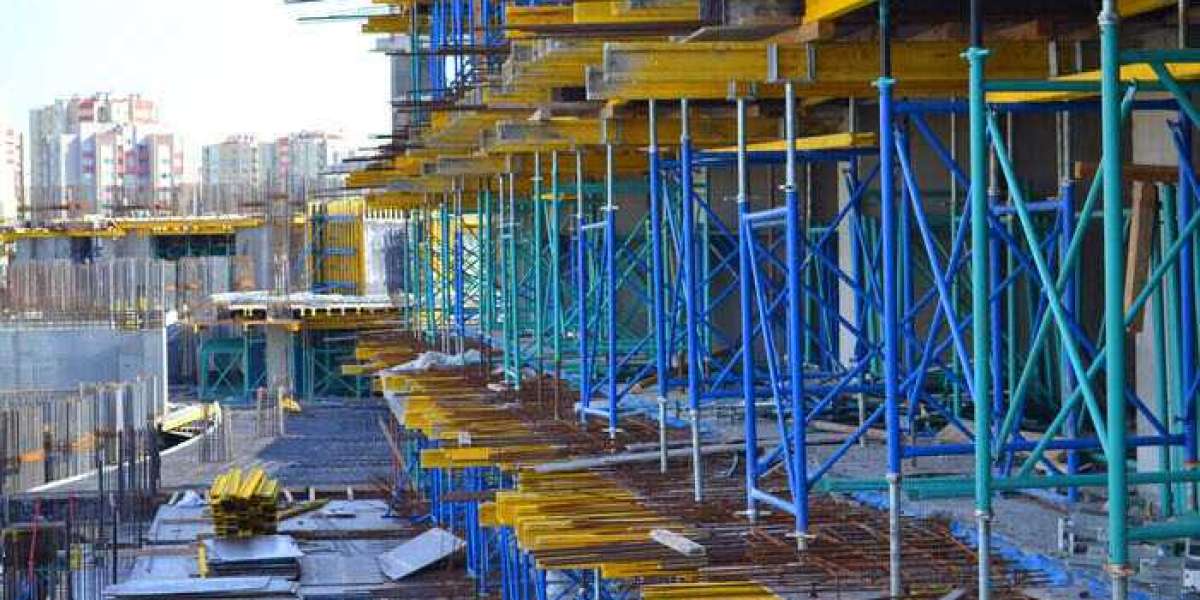

In the specialized field of naval architecture and shipbuilding, hull formwork serves as the foundational framework that dictates the final geometry and structural performance of a vessel. Whether constructing a small recreational craft or a large-scale commercial ship, the integrity of the hull is paramount to safety, buoyancy, and hydrodynamic efficiency.
Hull formwork refers to the temporary or permanent structures used to define the external shape of a ship’s hull during the fabrication process. In traditional timber-based boat building, this involves creating a series of molds—often referred to as stations—that establish the curvature of the vessel’s ribs and planking. Conversely, in modern steel or composite manufacturing, formwork may involve complex jigging systems or modular supports that hold plates and frames in precise alignment until welding or bonding is complete.
The primary challenge in designing hull formwork is achieving the "fairing" of lines. Any deviation in the formwork during the assembly phase can lead to uneven hydrodynamic drag, structural weaknesses, or aesthetic irregularities. Precision is maintained through rigorous geometric modeling, often beginning with lofting—either through traditional manual drafting or contemporary computer-aided design—to ensure that the formwork accurately translates the blueprint to the physical structure.
As modern shipbuilding in the UK and worldwide evolves, the focus remains on materials that offer stability and ease of removal. By ensuring that the hull formwork is rigid and accurately positioned, engineers can guarantee that the finished vessel meets the exact design tolerances required for maritime service.

Popular Posts