

Popular Posts

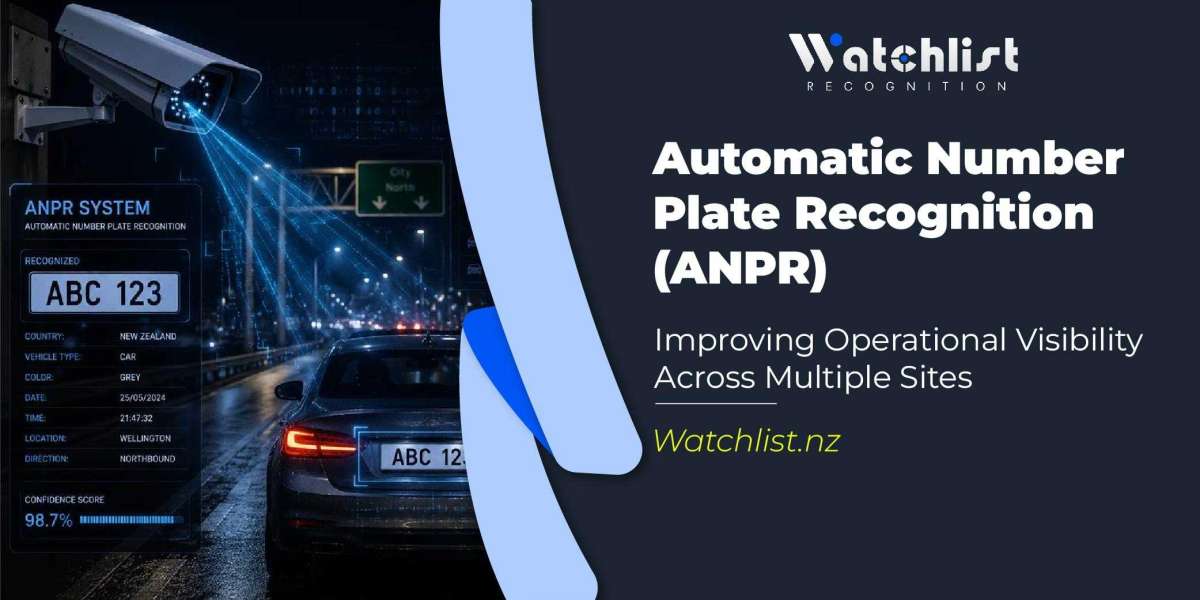
Learn how ANPR, facial recognition, watchlists and real-time alerts can improve operational visibility across multiple business sites.
Modern businesses often manage multiple locations, vehicles, employees, contractors and visitors at the same time. As operations become more distributed, maintaining clear visibility across sites can become difficult. Traditional monitoring methods may provide useful information, but they can also leave teams dependent on manual observation, fragmented records and delayed responses.Recognition technology can help organisations bring relevant information together and respond to events more efficiently. When implemented responsibly, tools such as facial recognition and automatic number plate recognition can support security teams, facility managers and operational leaders without replacing appropriate human decision-making.Understanding Automatic Number Plate Recognitionautomatic number plate recognition (ANPR) uses cameras and recognition technology to identify vehicle registration plates. Rather than relying entirely on staff to manually record vehicles entering or leaving a site, ANPR can help create a searchable record of vehicle activity.For organisations operating across several locations, this can be particularly useful. A vehicle identified at one site can be connected with relevant information from another location, helping authorised teams understand movement patterns and investigate incidents more efficiently.ANPR can support applications such as site access monitoring, vehicle watchlists, incident investigation and operational reporting. Its value depends heavily on appropriate configuration, reliable camera placement and clear procedures for reviewing alerts.Connecting Vehicle and People RecognitionVehicle recognition is only one part of a broader recognition strategy. In environments where both people and vehicles are relevant, organisations may benefit from combining ANPR with facial recognition.A vehicle recognition platform can provide useful vehicle-related information, while facial recognition may help authorised personnel identify people of interest according to predefined operational policies.When these technologies work within the same operational environment, teams can have a more complete view of events. For example, an organisation may need to understand which vehicle arrived at a location, when it arrived and whether a person associated with the event appeared on an approved watchlist.This does not mean every alert should automatically result in action. Recognition technology should support trained personnel by providing information that can be reviewed alongside other available evidence.Real-Time Alerts and Operational ResponseOne of the practical benefits of recognition systems is the ability to generate alerts when predefined conditions are detected. Real-time people or vehicle alerts can help teams focus their attention on events that require review instead of continuously monitoring every camera feed manually.For multi-site organisations, centralised visibility can also make it easier to coordinate responses. Relevant personnel may be able to review incidents, check historical records and understand whether an event has occurred previously at another location.Watchlist Recognition provides a platform that combines facial recognition and ANPR with operational features such as people and vehicle alerts, trespass and incident registers, reporting and analytics. This type of integrated approach can help organisations structure information around specific operational requirements rather than treating every recognition event as an isolated occurrence.Privacy and Responsible DeploymentRecognition technology involves sensitive information, particularly when biometric data or identifiable vehicle information is involved. Responsible deployment should therefore begin before cameras or software are installed.Organisations should clearly define why recognition technology is being used, what information needs to be collected and who should have access to it. Access controls should reflect staff responsibilities, while retention settings should prevent information from being stored longer than necessary for the organisation's legitimate operational purpose.Watchlist Recognition is designed with features including encrypted storage, role-based access and retention controls to support privacy-conscious operational use. However, technology features alone do not determine whether a particular deployment is appropriate.Organisations should consider their own policies, responsibilities and applicable requirements. Where biometric information, privacy obligations or regulatory questions are involved, appropriate professional or legal guidance should be obtained for the specific use case.Choosing the Right Recognition ApproachBefore selecting a recognition system, businesses should first identify the operational problem they are trying to solve. A site primarily concerned with vehicle movements may have different requirements from a large organisation managing people, vehicles and incidents across several facilities.Important considerations include camera positioning, network connectivity, alert workflows, user permissions, reporting requirements, information retention and integration with existing processes. Teams should also establish who is responsible for reviewing alerts and what steps should follow an identification.A useful recognition system should fit into everyday operations rather than create unnecessary complexity. Clear procedures, trained users and regular reviews are just as important as the technology itself.FAQs About Recognition Technology1. What is ANPR used for?ANPR can identify vehicle registration plates and create records of vehicle activity. Organisations may use it for access monitoring, watchlists, incident investigation and operational visibility.2. Can facial recognition and ANPR work together?Yes. Combining people and vehicle recognition can provide a broader operational picture where both individuals and vehicles are relevant to an event.3. Are recognition alerts automatically proof of an incident?No. An alert should generally be treated as information requiring appropriate review. Organisations should establish procedures for verifying events before taking further action.4. What privacy factors should businesses consider?Businesses should consider the purpose of collection, access permissions, retention periods, security controls and applicable privacy requirements. Professional advice may be appropriate for specific deployments.5. Is recognition technology suitable for multi-site operations?It can be useful for organisations managing several locations because centralised alerts, records and reporting can improve visibility across sites. Suitability depends on the organisation's operational requirements and deployment approach.ConclusionRecognition technology can provide businesses with a more structured way to understand people and vehicle activity across multiple locations. ANPR, facial recognition, watchlists and real-time alerts can support operational teams when they are implemented with clear objectives, appropriate controls and responsible review processes.For organisations exploring these capabilities, Watchlist Recognition offers a recognition intelligence platform combining facial recognition and ANPR with tools for alerts, incident management, reporting and operational visibility. Businesses interested in understanding how recognition technology could fit their environment can learn more or request a demonstration to discuss their requirements.
Read more
Comments