
Buying a new home in Dubai is a major decision. Whether the property is an apartment, villa, townhouse, or another residential unit, buyers expect it to be completed properly and delivered in good condition. A newly constructed property may look impressive during a quick viewing, but appearance alone does not always reveal construction defects, unfinished work, installation problems, or poor finishing.
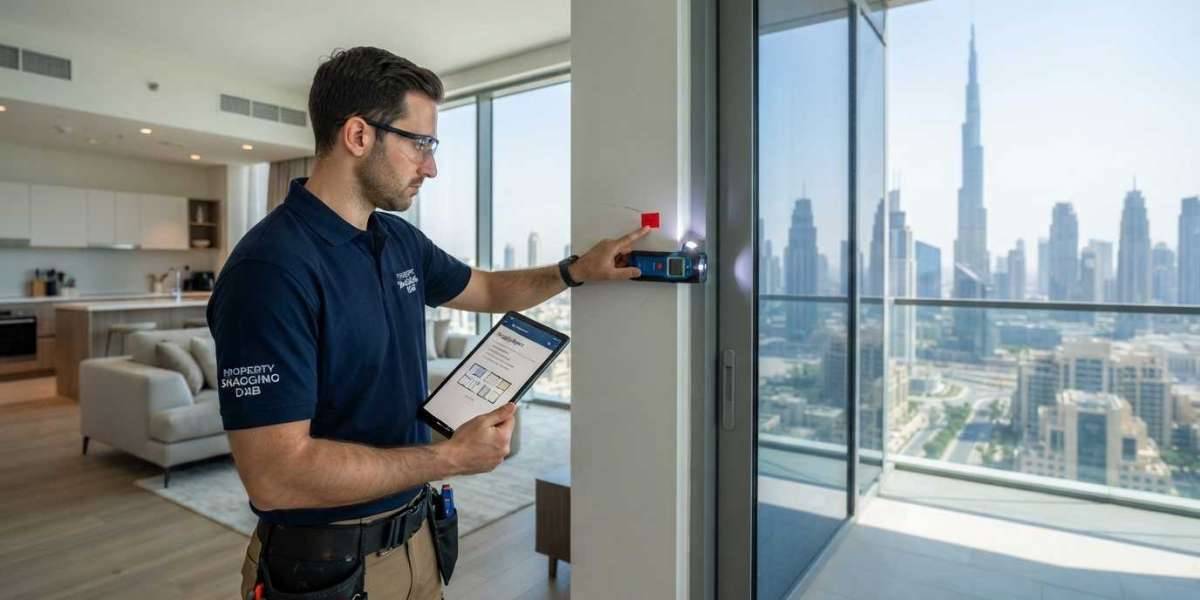
This is where Property Snagging Dubai becomes important. Property snagging is a detailed inspection of a completed property to identify defects, damaged materials, unfinished areas, and components that may not be working correctly. The inspection gives buyers an opportunity to understand the actual condition of their property before settling in.
A proper snagging process involves more than walking through rooms and looking for visible damage. It can include checking walls, ceilings, floors, windows, doors, kitchens, bathrooms, plumbing, electrical fittings, cooling systems, drainage, balconies, and other accessible areas.
For buyers, the main purpose is simple: identify problems early, document them clearly, and request appropriate corrective action.
What Is Property Snagging?
Property snagging is a structured inspection carried out to find defects or incomplete work in a property. These defects are commonly called snags.
A snag can be something minor, such as uneven paint, a scratched surface, poor grout, or a cabinet door that does not align correctly. It can also involve more important issues, such as water leakage, drainage problems, faulty electrical fittings, poor window sealing, or air conditioning concerns.
The inspection creates a record of the property's condition. A detailed report can describe where each issue was found and what needs attention.
For newly completed homes, snagging is particularly useful around the handover stage. Current Dubai property guidance recommends using the pre-handover inspection opportunity where available and checking reported defects again after repairs.
Why Property Snagging Dubai Matters
A new property is a significant investment, so buyers naturally want to receive what they have paid for in an acceptable condition.
Construction projects involve many different trades, materials, systems, and finishing activities. Because of this, defects can sometimes remain even when a property appears complete.
Property snagging helps buyers take a closer look at the quality of the finished home. It can also create useful documentation that makes communication with the developer or responsible party easier.
Important benefits include:
- Finding defects before they become difficult to address
- Identifying unfinished work
- Checking the quality of visible finishes
- Reviewing doors and windows
- Examining plumbing and drainage
- Checking accessible electrical fittings
- Inspecting kitchens and bathrooms
- Reviewing cooling and ventilation components
- Documenting defects with clear descriptions
- Creating a record for follow-up repairs
The goal is not to criticize every small imperfection. Instead, the inspection should focus on genuine defects, incomplete work, and problems that affect appearance, functionality, comfort, or property condition.
When Should You Arrange Property Snagging?
Timing is an important part of snagging.
For a new property, the pre-handover inspection is often the most useful opportunity. At this stage, the property is usually empty, which makes it easier to inspect floors, walls, doors, windows, cabinets, sockets, bathrooms, and other areas.
An unfurnished property also makes it easier to identify damage that could later become hidden behind furniture or personal belongings.
Buyers should understand the developer's specific handover process and review their contractual documents before making decisions about acceptance. Different developers may have different procedures.
After the developer completes repairs, another inspection can be useful. A reported defect should ideally be checked rather than simply marked as resolved based on a message or verbal confirmation. Current Dubai guidance also recommends rechecking accepted defects after rectification.
What Does a Property Snagging Inspection Cover?
A comprehensive inspection can cover many areas of a property.
Walls and Ceilings
Walls and ceilings can be examined for cracks, uneven surfaces, stains, paint problems, holes, marks, and signs of moisture.
Paint may appear acceptable from a distance but show poor coverage, drips, rough patches, or inconsistent finishing when inspected closely.
Ceilings should also be checked for unusual discoloration or marks that may require further investigation.
Flooring
Flooring is another important part of a snagging inspection.
Tiles and other floor surfaces can be checked for cracks, chips, uneven installation, damaged edges, loose areas, poor alignment, and grout problems.
Bathrooms, kitchens, balconies, and terraces deserve additional attention because water and drainage can affect these areas.
Doors
Doors should operate smoothly and align correctly.
Handles, hinges, locks, frames, seals, and visible surfaces can be inspected. Problems with alignment or installation may affect both convenience and security.
Internal doors, entrance doors, balcony doors, wardrobe doors, and cabinet doors can all be considered depending on the inspection scope.
Windows
Windows should be checked for visible damage, alignment, operation, handles, locks, seals, and surrounding finishes.
Poor sealing can potentially affect comfort and may allow water or air to enter where it should not.
Large windows and balcony doors are particularly important because they are frequently used and exposed to external conditions.
Bathroom and Plumbing Inspection
Bathrooms contain several systems that deserve careful attention.
A snagging inspection may examine sinks, toilets, showers, taps, drains, tiles, sealants, fittings, and accessible plumbing connections.
Water should drain properly without obvious pooling. Visible leakage should also be investigated because continued moisture can damage surrounding surfaces.
Sealant around wet areas should be examined for gaps, poor application, or incomplete finishing.
A bathroom may look attractive while still having practical problems that only become obvious after regular use. Careful inspection can help identify these concerns earlier.
Kitchen Inspection
The kitchen is another important area in a new property.
Cabinet doors and drawers should operate properly and align correctly. Countertops, sinks, taps, splashbacks, handles, appliances, and visible electrical points can also be inspected.
Inspectors may look for scratches, chips, loose components, poor installation, damaged surfaces, or incomplete finishing.
Kitchen problems may seem minor at handover, but addressing them while the property is empty can be considerably easier than dealing with them after the home has been fully furnished.
Electrical Systems and Fittings
Electrical components should be checked safely and within the appropriate inspection scope.
Sockets, switches, lighting fixtures, controls, and accessible fittings can be reviewed for visible damage, loose installation, or apparent functionality concerns.
Any suspected electrical problem should be handled appropriately by a qualified professional rather than being treated as a simple cosmetic snag.
A structured inspection can help identify visible concerns and ensure they are properly documented for follow-up.
Air Conditioning and Ventilation
Air conditioning is particularly important in Dubai because comfortable indoor temperatures depend heavily on effective cooling.
A snagging inspection can review accessible air conditioning components, controls, vents, airflow, and visible installation.
Potential concerns may include unusual sounds, weak airflow, inconsistent cooling, visible condensation, or other unusual conditions.
Bathrooms and kitchens should also have suitable ventilation, and accessible ventilation components can be checked for apparent problems.
Common Property Snags
New properties can contain many different types of defects.
Common findings may include:
- Uneven paint
- Cracked tiles
- Scratched surfaces
- Poor grout
- Damaged flooring
- Misaligned doors
- Faulty handles
- Window sealing concerns
- Damaged frames
- Loose fixtures
- Cabinet alignment problems
- Water leakage
- Drainage concerns
- Poor sealing
- Electrical fitting issues
- Cooling problems
- Incomplete finishing
- Surface damage
Some issues are primarily cosmetic, while others can affect functionality or lead to future maintenance concerns.
The purpose of snagging is to identify and document these issues so that they can be reviewed and addressed appropriately.
Professional Snagging or DIY Inspection?
A homeowner can perform a personal walkthrough, particularly when using a detailed checklist. This can help identify obvious problems.
However, professional snagging can offer a more systematic approach.
An experienced inspector may know which areas commonly develop defects and can work through the property methodically. Professional inspections can also involve appropriate tools and more detailed reporting, depending on the service.
One of the biggest benefits is documentation. Instead of simply telling the developer that a problem exists, the buyer receives a structured record describing the location and nature of the issue.
This can make follow-up communication much clearer.
Why a Detailed Snagging Report Matters
A snagging report should make each issue easy to understand.
For example, simply writing that a bedroom wall has a problem is vague. A useful report should identify the particular location and describe the visible defect clearly.
Photographs can also support individual findings.
A detailed report creates a record that can be used when communicating with the developer or contractor. It can also help the homeowner track whether reported defects have actually been corrected.
Keeping the original inspection report and related handover documentation is useful for future reference.
Property Snagging for Apartments
Apartments require careful attention because they contain many internal systems and finishes within a relatively compact space.
The inspection can include living areas, bedrooms, kitchens, bathrooms, balconies, windows, doors, floors, walls, ceilings, air conditioning, plumbing, and electrical fittings.
Where an issue appears to involve a shared building system rather than the individual unit, it should be documented and raised through the appropriate process.
The main objective is to establish which concerns exist inside the purchased property and which may relate to wider building areas.
Property Snagging for Villas
Villas often require a broader inspection because they can include substantial indoor and outdoor spaces.
In addition to bedrooms, living areas, kitchens, bathrooms, and utility spaces, a villa inspection may consider garages, driveways, terraces, balconies, gardens, external walls, gates, and accessible outdoor installations.
Drainage in outdoor areas can be particularly important. Visible water pooling, damaged surfaces, or poor drainage should be documented for further attention.
The larger the property, the more important a systematic inspection becomes because there are more rooms, fittings, surfaces, and systems to review.
How Snagging Helps Protect Your Property Investment
Property snagging can help protect an investment by identifying defects while they are still relatively new.
A small problem may not appear serious at first, but some defects can become more inconvenient if they remain unresolved.
For example, an unnoticed water leak can eventually damage nearby materials. Poor sealing around a wet area can allow moisture to reach places where it should not. A faulty door or window can become increasingly inconvenient through regular use.
Early identification allows homeowners to raise concerns sooner and keep a clear record of the property's condition.
How to Choose a Property Snagging Service in Dubai
When selecting a snagging service, homeowners should look beyond the basic promise of an inspection.
Consider the experience of the inspection team, the areas included in the service, the inspection methodology, the level of reporting, and whether follow-up inspections are available.
A good inspection should be systematic rather than rushed.
The report should also be clear enough for a homeowner to understand every finding without needing technical knowledge.
It is useful to ask whether the service covers structural and finishing observations, plumbing, electrical fittings, air conditioning, kitchens, bathrooms, doors, windows, drainage, and other relevant areas.
What Should You Do After Finding Snags?
Once defects are identified, they should be documented clearly and submitted through the appropriate developer or handover process.
Keep copies of the inspection report, photographs, correspondence, and responses.
When repairs are completed, inspect the relevant areas again. Do not automatically assume that every reported issue has been properly resolved.
A second inspection can help confirm whether the repair was completed correctly and whether the repair itself created another problem.
This approach creates a more organized handover and maintenance record.
Frequently Asked Questions
What is Property Snagging Dubai?
Property Snagging Dubai is the detailed inspection of a property in Dubai to identify defects, unfinished work, damaged materials, poor finishing, and other issues before or around the handover process.
Is property snagging important for a new property?
Yes. New properties can still contain construction and finishing defects. Snagging helps buyers identify these concerns before they become more difficult or inconvenient to address.
What does a property snagging inspection check?
Depending on the service, an inspection can cover walls, ceilings, flooring, tiles, doors, windows, kitchens, bathrooms, plumbing, drainage, electrical fittings, air conditioning, balconies, and other accessible areas.
Can I perform snagging myself?
Yes. A homeowner can perform a personal inspection using a suitable checklist. However, professional snagging can provide a more systematic inspection and detailed documentation.
When is the best time to arrange property snagging?
For a new property, snagging is generally most useful during the pre-handover inspection opportunity, before furniture and belongings make certain areas difficult to access.
Does snagging only identify cosmetic problems?
No. Snagging can identify both cosmetic and functional concerns. Problems can involve finishes, plumbing, drainage, doors, windows, electrical fittings, cooling, ventilation, and other components.
Is professional snagging useful for villas?
Yes. Villas often contain more rooms and external areas, so a systematic inspection can be particularly useful for identifying defects that might otherwise be overlooked.
Why is a snagging report useful?
A detailed report provides a written record of the defects found during the inspection. It can make communication with the developer or responsible party clearer and help track repairs.
Should defects be checked again after repairs?
Yes. A follow-up inspection can confirm whether reported issues have actually been corrected and whether the repair has introduced another problem.
Can property snagging help protect a buyer's investment?
Yes. Identifying defects early can help homeowners address concerns sooner, maintain the property's condition, and reduce the possibility of unresolved issues becoming more complicated.
Conclusion
Property Snagging Dubai is an important part of the new-property handover process. A home can look complete and attractive while still containing defects, unfinished work, poor finishing, or functional concerns that are not obvious during a quick viewing.
A thorough inspection can examine floors, walls, ceilings, doors, windows, kitchens, bathrooms, plumbing, drainage, electrical fittings, air conditioning, ventilation, balconies, and other accessible areas. Documenting these findings gives homeowners a clearer understanding of the property's condition.