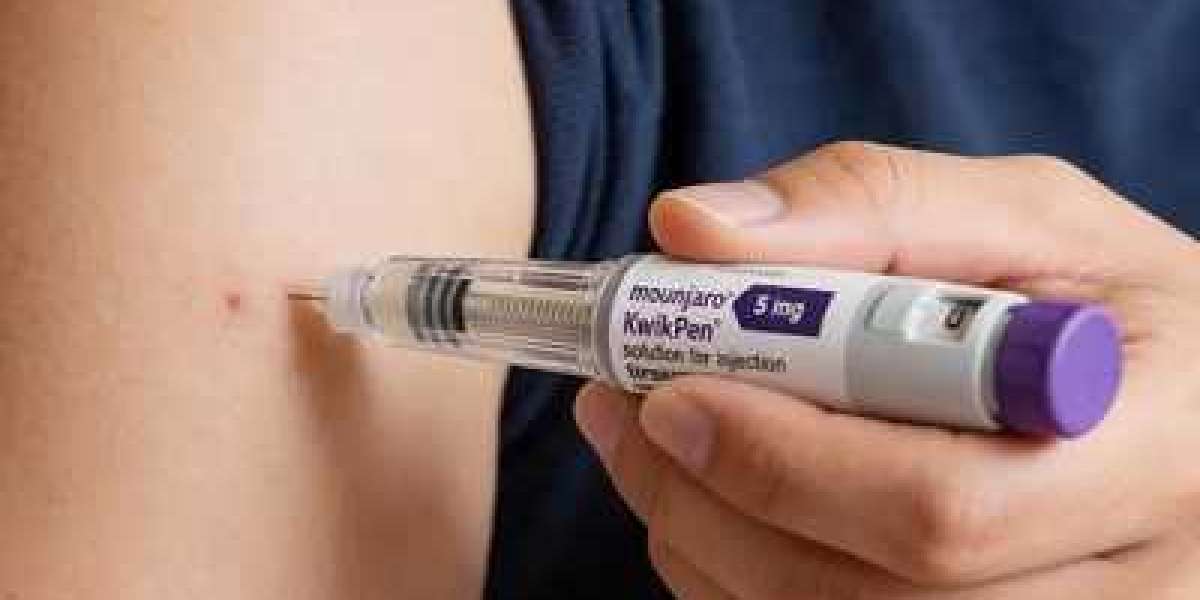

Mounjaro Injection is a prescription medication that has gained attention for its role in managing blood sugar levels in adults with type 2 diabetes. Its active ingredient, tirzepatide, works on specific hormone receptors involved in blood glucose regulation, appetite, and digestion. Because of these effects, many people also notice changes in hunger, food intake, and body weight during treatment.
One of the most common questions among people starting treatment is how quickly Mounjaro Injection begins working. Some may notice reduced appetite within the first few days, while others may need several weeks before experiencing noticeable changes. The timeline depends on individual factors, including the prescribed dose, the body's response to the medication, eating habits, physical activity, and overall health.
Understanding how the medication works, what changes to expect, and why results vary can help people develop realistic expectations. Although early changes may occur relatively quickly, meaningful improvements in blood sugar control and body weight generally require consistent treatment and ongoing medical supervision.
1. How Quickly Does Mounjaro Injection Start Working?
Mounjaro Injection begins working after the first dose. Tirzepatide activates two hormone receptors, known as GIP and GLP-1, which help regulate blood sugar and influence appetite. However, the time it takes to notice these effects varies from person to person.
Some individuals may experience reduced hunger, earlier fullness during meals, or fewer food cravings during the first week. Others may not notice obvious appetite changes until later in treatment. Neither experience necessarily indicates whether the medication is working effectively.
Blood sugar improvements can begin after the initial doses, particularly in people who have elevated glucose levels. However, assessing the overall effect on diabetes management takes longer than observing a single blood glucose reading. Healthcare professionals may review home glucose measurements and other relevant information to determine how well treatment is working.
Weight changes typically develop gradually. Although some people may notice a difference in eating habits early, visible weight loss often takes several weeks or months. The starting dose is usually low to help the body adjust and reduce gastrointestinal side effects, so immediate or dramatic weight loss should not be expected.
Mounjaro Injection is not an instant weight-loss solution. Its effects develop over time, and consistent use according to the prescribed schedule is important for achieving the intended treatment goals.
2. What Happens During the First Few Weeks of Treatment?
The first few weeks of Mounjaro Injection treatment are generally focused on helping the body adjust to the medication. During this period, individuals may notice changes in appetite, digestion, or blood sugar readings.
During the first week: Some people experience reduced hunger or feel satisfied after eating smaller portions. Others may notice little difference. Mild nausea, bloating, constipation, diarrhea, or a feeling of fullness can also occur as the digestive system adapts.
During weeks two to four: Appetite-related effects may become more noticeable, although the experience varies. People managing type 2 diabetes may also begin to observe more consistent glucose readings when treatment is effective. Healthy eating habits, adequate hydration, and following the prescribed treatment plan can support overall progress.
During the first one to three months: The effects on blood sugar and body weight may become easier to evaluate. Weight changes depend on several factors, including food intake, activity levels, treatment dose, and individual metabolism. Healthcare professionals may assess progress and determine whether the current dose remains appropriate.
These timeframes are general estimates rather than guarantees. Some individuals respond earlier, while others require more time. A lack of immediate weight loss does not automatically mean Mounjaro Injection is ineffective.
People should avoid changing the dose independently in an attempt to accelerate results. Dose adjustments need to follow the prescribed schedule and take individual tolerability and treatment goals into account.
3. How Does Mounjaro Injection Work in the Body?
Mounjaro Injection contains tirzepatide, which acts on both glucose-dependent insulinotropic polypeptide (GIP) and glucagon-like peptide-1 (GLP-1) receptors. These hormones are involved in the body's normal response to food and help coordinate several processes related to blood sugar and appetite.
One important effect is the stimulation of insulin release when blood glucose levels are elevated. Insulin helps move glucose from the bloodstream into cells, where it can be used for energy. Tirzepatide also helps reduce inappropriate glucagon secretion, which can otherwise contribute to increased blood sugar levels.
Another effect involves digestion. The medication slows stomach emptying, particularly during the early stages of treatment. This can help a person feel full for longer after eating. The effect may become less pronounced over time, but other appetite-related effects can continue.
Mounjaro Injection also influences appetite regulation through hormone pathways involved in hunger and satiety. As a result, some people find it easier to eat smaller portions and reduce overall calorie intake.
These combined actions explain why the medication can improve blood sugar control and support weight reduction. However, its approved uses differ by country and product labeling. In the United States, Mounjaro is approved for improving blood sugar control in adults with type 2 diabetes. Tirzepatide products may have separate approvals for chronic weight management under a different brand name.
The medication should be used only for an appropriate medical indication under professional supervision. It is not a substitute for a balanced diet, physical activity, or an individualized diabetes management plan.
4. What Factors Affect How Quickly Mounjaro Injection Works?
The response to Mounjaro Injection is not identical for everyone. Several factors can influence when its effects become noticeable and how much improvement occurs over time.
Starting dose and dose adjustments: Treatment commonly begins with a 2.5 mg injection once weekly for four weeks. This is an initiation dose intended to help the body adjust, rather than a dose intended for full blood sugar control. The prescribed dose is generally increased to 5 mg after four weeks, with further increases considered when appropriate and tolerated. Dose changes should always follow professional guidance.
Individual metabolism and health: Differences in physiology, baseline blood glucose, body weight, other medical conditions, and medication use can influence treatment response. Someone with substantially elevated blood sugar may notice a different pattern of improvement from someone whose glucose levels are already relatively well controlled.
Eating habits and physical activity: Balanced meals, appropriate portion sizes, regular physical activity, and adequate sleep can support general health and weight management. These habits complement medication rather than replace its effects.
Consistency of treatment: Mounjaro Injection is generally administered once a week on the same day, with or without meals. Following the prescribed schedule helps maintain consistent treatment exposure. Missed doses and unsupervised changes can affect treatment continuity.
Other medications and treatment goals: People taking insulin or sulfonylureas may require additional monitoring because combining these medicines with tirzepatide can increase the risk of low blood sugar. Other medications and health conditions may also affect treatment decisions.
Because these factors vary, comparing one person's results with another person's experience can be misleading. Progress is better assessed against individual treatment goals and appropriate clinical measurements.
5. When Can Someone Expect to See Weight Loss and Blood Sugar Improvements?
The timeline for results depends on the treatment goal. Blood sugar control and weight reduction are related but distinct outcomes, and they may progress at different rates.
For people with type 2 diabetes, blood glucose levels may begin improving during the early stages of treatment. However, a single reading cannot establish the medication's overall effectiveness. HbA1c, a blood test that reflects average blood sugar over approximately two to three months, is commonly used to evaluate longer-term glucose control.
Weight loss generally develops more gradually. Some people notice reduced appetite during the first few weeks, followed by changes in portion sizes and body weight. Others may see little initial change before gradual progress becomes apparent.
Clinical studies of tirzepatide have demonstrated substantial average weight reduction over many months in studied populations, particularly at higher maintenance doses. These findings do not predict the exact outcome for an individual. Results depend on the dose, duration of treatment, medical circumstances, and lifestyle factors.
It is also important to understand that early weight fluctuations can result from changes in fluid balance, digestion, and food intake. Daily weighing may therefore provide an incomplete picture of progress.
A more useful approach involves tracking weight trends over several weeks, monitoring blood sugar as recommended, and attending scheduled follow-up appointments. Healthcare professionals can use these findings to evaluate whether the medication is meeting its intended goals.
People should not increase their dose, skip meals excessively, or follow extreme diets to achieve faster results. Sustainable progress and medication safety are more important than rapid changes on the scale.
6. Side Effects, Safety Precautions, and When to Seek Medical Advice
Mounjaro Injection can cause side effects, especially when treatment begins or the dose increases. The most common include nausea, diarrhea, decreased appetite, vomiting, constipation, indigestion, and abdominal discomfort. Many of these effects are mild to moderate and may improve as the body adjusts.
Eating smaller meals, stopping when comfortably full, avoiding particularly rich meals, and drinking enough fluids may help some people manage digestive symptoms. However, persistent symptoms should not be ignored, especially when they interfere with eating or drinking.
Certain symptoms require prompt medical assessment. Severe or persistent abdominal pain, particularly when it spreads to the back or occurs with vomiting, may indicate pancreatitis. Significant upper abdominal pain accompanied by fever or yellowing of the skin or eyes may suggest a gallbladder problem.
Repeated vomiting, an inability to keep fluids down, or signs of dehydration also warrant urgent medical advice. Severe allergic reactions, including difficulty breathing or swelling of the face or throat, require emergency care.
Low blood sugar is another important consideration for people who use Mounjaro Injection alongside insulin or certain diabetes medications. Symptoms may include shaking, sweating, dizziness, confusion, and a rapid heartbeat. The risk and appropriate precautions should be discussed with the prescribing healthcare professional.
Mounjaro is generally not recommended for people with a personal or family history of medullary thyroid carcinoma or those with multiple endocrine neoplasia syndrome type 2 under US prescribing information. Pregnancy, a history of significant digestive problems, and other medical conditions may also affect whether treatment is appropriate.
Anyone considering Mounjaro Injection should provide a complete medication and medical history before starting treatment. Professional guidance helps ensure that the medication is appropriate, that the dose is suitable, and that any side effects are managed safely.
Frequently Asked Questions (FAQs)
1. Does Mounjaro Injection work after the first dose?
Yes, Mounjaro Injection begins acting in the body after the first dose. Some people notice reduced appetite or changes in blood sugar during the first week, while others experience more gradual effects. The full treatment response takes longer to assess.
2. How long does Mounjaro Injection take to reduce appetite?
Appetite changes may occur within the first few days or weeks. Some individuals feel full sooner or experience fewer food cravings, while others notice little immediate difference. The response varies according to individual physiology and treatment dose.
3. How soon can weight loss begin with Mounjaro Injection?
Weight loss may begin during the first few weeks, but noticeable results often develop over several weeks or months. Early changes vary, and some people experience little initial weight loss. Consistent treatment and realistic expectations are important.
4. Why is Mounjaro Injection not working immediately?
The starting dose is designed to help the body adjust to treatment and is not intended to provide full blood sugar control. Other factors, including individual response, existing health conditions, and treatment duration, may also affect results. A healthcare professional can assess progress before any dose adjustment.
5. How often should Mounjaro Injection be taken?
Mounjaro Injection is generally taken once a week, on the same day each week, according to the prescription. The dose should not be changed without professional guidance. If a dose is missed, the product instructions should be followed; under US labeling, a missed dose may be taken within four days, after which it should be skipped if more than four days have passed.
6. Can Mounjaro Injection be used only for weight loss?
The approved indication depends on the product and country. In the United States, Mounjaro is approved for blood sugar control in adults with type 2 diabetes, while tirzepatide for chronic weight management is marketed under a separate brand. A qualified healthcare professional can explain which treatment is appropriate for an individual's circumstances.
Final Thoughts
Mounjaro Injection starts working in the body after the first dose, but noticeable results do not occur at the same time for everyone. Appetite changes may appear within days or weeks, while improvements in overall blood sugar control and meaningful weight changes generally require a longer period of consistent treatment.
The most effective approach involves following the prescribed dose, maintaining healthy lifestyle habits, monitoring progress, and attending follow-up appointments. Patience is important because the initial dose is intended to help the body adjust rather than deliver the maximum treatment effect immediately.
Anyone experiencing persistent side effects, unexpected symptoms, or concerns about a lack of progress should seek professional advice instead of adjusting the medication independently. With appropriate medical supervision and realistic expectations, treatment can be evaluated safely and tailored to individual health goals.
Read More About Mounjaro Injection: https://bexopro.com/read-blog/69039