
Introduction
In modern manufacturing, construction, and repair industries, efficiency and accuracy are critical. One essential device that plays a major role in achieving both is the Press Tool. From shaping metal parts to assembling components with exact force, press tools are widely used across industries to improve productivity, consistency, and safety. Understanding how a press tool works and why it matters can help businesses and professionals make smarter operational decisions.
What Is a Press Tool
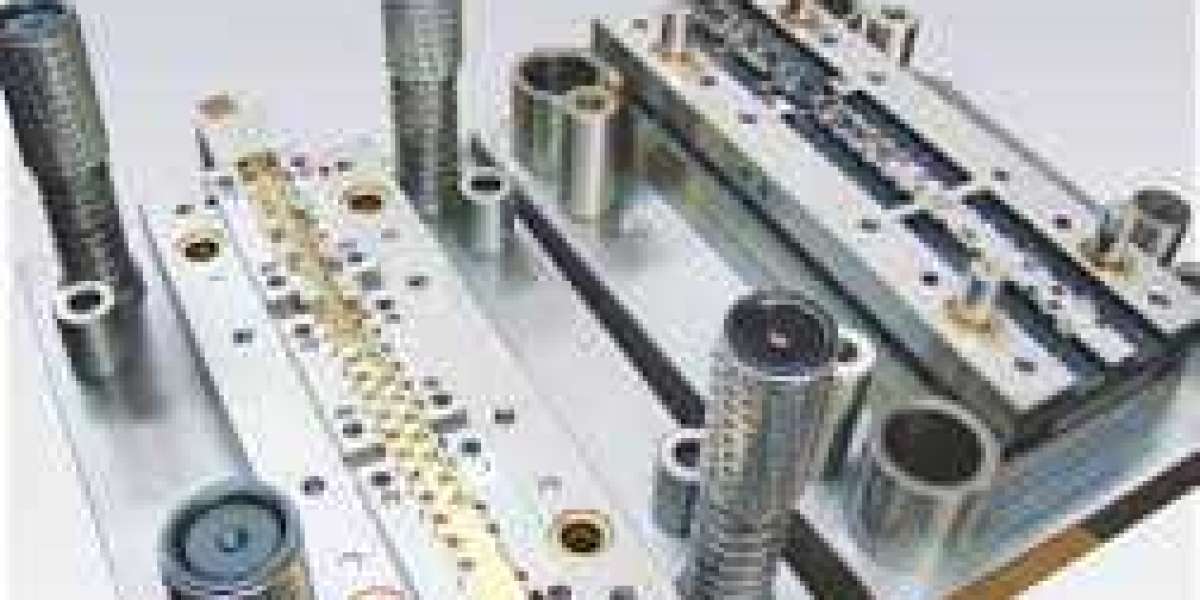
A press tool is a mechanical device designed to apply pressure or force to a workpiece in order to cut, bend, punch, form, or assemble materials. These tools are commonly used in metalworking, automotive manufacturing, electrical assembly, and industrial fabrication. Press tools come in various types and sizes, depending on the application and the force required.
At its core, a press tool transforms raw material into precise components through controlled pressure. This makes it an indispensable asset in mass production environments where accuracy and repeatability are essential.
Types of Press Tools
There are several types of press tools, each designed for specific tasks:
Manual Press Tools
These are operated by hand and are ideal for light-duty applications. They are commonly used in workshops and small-scale production where precision matters more than speed.
Hydraulic Press Tools
Hydraulic press tools use fluid pressure to generate high force. They are widely used in heavy industries for bending, molding, and forming thick materials.
Mechanical Press Tools
Mechanical presses use gears, cams, and flywheels to deliver fast and consistent force. They are ideal for high-speed manufacturing operations.
Pneumatic Press Tools
Powered by compressed air, these press tools are often used in assembly lines where controlled force and quick cycles are required.
Each type of press tool offers unique advantages depending on the workload, material, and production scale.
How a Press Tool Works
A press tool works by transferring force from a power source—manual, hydraulic, pneumatic, or mechanical—onto a workpiece through a die or punch. The applied pressure reshapes or assembles the material according to the desired design.
Modern press tools are designed for precision, allowing operators to control pressure, speed, and depth. This ensures consistent output and minimizes material waste.
Benefits of Using a Press Tool
The popularity of press tools comes from the many benefits they provide:
High accuracy and repeatability
Increased production efficiency
Reduced manual labor
Improved workplace safety
Consistent product quality
By automating tasks that would otherwise require manual force, a press tool significantly reduces fatigue and human error.
Press Tool Applications Across Industries
There are several different industries that use press tools:
Automotive Industry
Press tools are essential for forming body panels, engine components, and structural parts with tight tolerances.
Manufacturing and Fabrication
From punching holes to bending metal sheets, press tools streamline fabrication processes.
Electrical and Electronics
They are used to crimp connectors, assemble circuit components, and ensure secure fittings.
Construction and Plumbing
Press tools help join pipes, fittings, and structural elements quickly and securely.
This versatility makes the press tool a valuable investment for both small workshops and large factories.
Choosing the Right Press Tool
Selecting the right press tool depends on several factors:
Type of material (metal, plastic, composite)
Required force and precision
Production volume
Available workspace
Budget and maintenance needs
A well-matched press tool not only improves performance but also extends tool lifespan and reduces operational costs.
Maintenance and Safety Considerations
Proper maintenance is crucial for keeping a press tool in optimal condition. Regular inspection, lubrication, and calibration help prevent breakdowns and ensure accurate performance. Operators should also follow safety guidelines, including wearing protective equipment and using guards and sensors where available.
Modern press tools often include safety features such as emergency stop buttons and overload protection, making them safer than older manual methods.
Press Tools and Automation
With the rise of smart manufacturing, press tools are increasingly integrated into automated systems. Computer-controlled press tools offer higher precision, real-time monitoring, and data tracking. This allows manufacturers to optimize workflows, reduce downtime, and maintain consistent quality standards.
Automation has transformed the press tool from a simple machine into a key component of advanced production lines.
Conclusion
A Press Tool is more than just a piece of equipment—it is a cornerstone of modern manufacturing and assembly. By delivering controlled force with precision and reliability, press tools help businesses improve efficiency, safety, and product quality. Whether you’re running a small workshop or a large industrial facility, investing in the right press tool can make a significant difference in productivity and long-term success.
Understanding the capabilities, types, and applications of press tools allows professionals to make informed decisions and stay competitive in an increasingly demanding industrial landscape.
See more our website:visit here