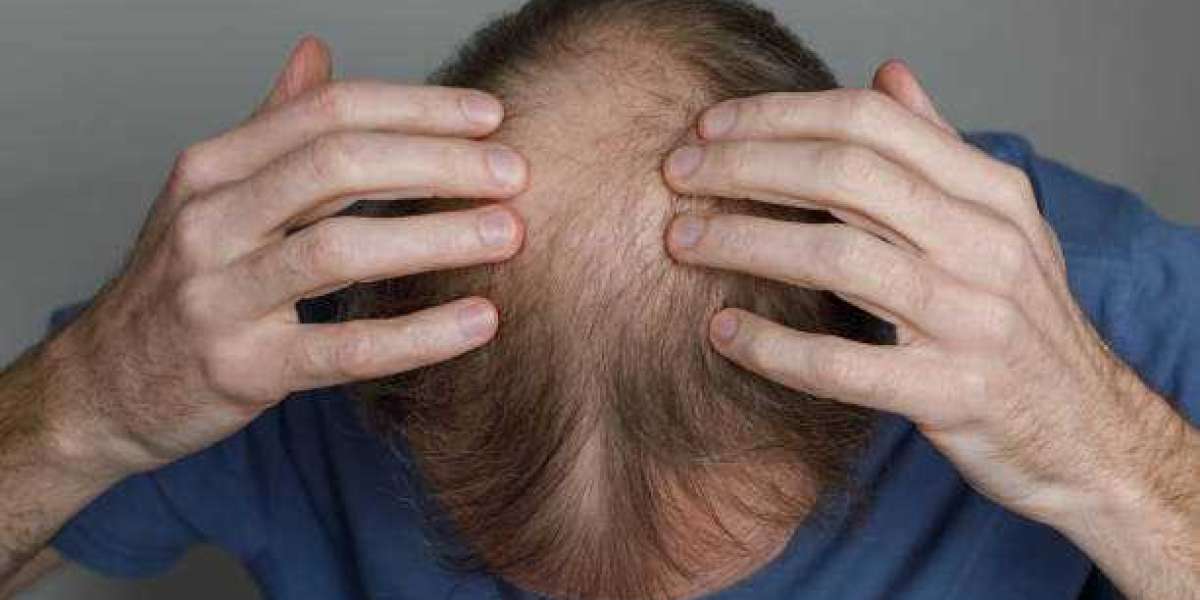

Male pattern baldness, also known as androgenetic alopecia, is one of the most common forms of hair loss in men. It usually starts gradually with a receding hairline or thinning at the crown. Genetics and hormones, especially DHT (dihydrotestosterone), play a major role in this condition. Over time, DHT weakens hair follicles, making them shrink and produce thinner hair.
- Genetic inheritance is a key factor
- DHT hormone affects follicle strength
- Hair becomes thinner before stopping growth
- Progression differs from person to person
Why early management is important
Early intervention helps preserve existing hair and slow down further loss. Once follicles become inactive, regrowth becomes difficult, which is why early Hair Loss Treatment planning is often recommended by specialists.
- Helps protect active hair follicles
- Slows progression of thinning
- Improves long-term scalp health
- Increases treatment success rate
How Finasteride Works
Blocking DHT production
Finasteride works by reducing DHT levels in the scalp. Since DHT is the main hormone responsible for hair follicle shrinkage, lowering it helps protect existing hair.
- Reduces DHT formation
- Prevents follicle miniaturization
- Helps maintain current hair
- Supports healthier growth cycles
Supporting the hair growth phase
By lowering DHT levels, Finasteride helps hair follicles stay in the active growth phase longer, leading to thicker and stronger hair over time. This mechanism is often included in modern Hair Loss Treatment strategies.
- Extends growth phase duration
- Reduces excessive shedding
- Improves hair thickness
- Supports stable hair density
Can Finasteride Slow Male Pattern Baldness?
Effectiveness in controlling hair loss
Yes, Finasteride can slow male pattern baldness in many individuals, especially when used early. It does not fully cure hair loss, but it helps control progression by targeting hormonal causes. Many dermatologists include it as part of a structured Hair Loss Treatment plan.
- Slows down hair loss progression
- Helps preserve existing hair
- Works best in early stages
- May improve hair appearance
Limitations of Finasteride
While effective, results vary from person to person. Its success depends on genetics, age, and how advanced the condition is. It is not a universal solution for all types of hair loss.
- Less effective in advanced baldness
- Requires continuous use
- Results differ individually
- Does not fully restore lost follicles
Time required for results
Finasteride takes time to show visible changes. Most individuals need consistent use for several months before noticing improvement in hair density or shedding reduction.
- Results appear gradually
- Consistency is essential
- Improvement varies per person
- Long-term use is usually needed
Benefits of Finasteride Use
Preserving existing hair
One of the biggest advantages of Finasteride is its ability to maintain existing hair and slow down further loss. It is commonly used in combination with Hair Loss Treatment methods for better results.
- Helps prevent further thinning
- Maintains hair density
- Reduces visible scalp exposure
- Supports long-term hair stability
Works well with other treatments
Finasteride is often combined with other therapies like topical solutions or clinical procedures to improve results.
- Enhances combined therapies
- Improves overall outcomes
- Supports multi-treatment plans
- Strengthens hair regrowth efforts
Possible Considerations
Individual response differences
Not everyone responds the same way to Finasteride. Some people experience strong improvement, while others may see slower results. This is why professional evaluation is important in any Hair Loss Treatment approach.
- Genetic response varies
- Results differ between individuals
- Monitoring progress is needed
- Personalized care improves success
Importance of medical supervision
Finasteride should always be used under medical guidance to ensure safety and proper usage.
- Requires professional evaluation
- Not recommended for self-use
- Monitoring ensures safe results
- Improves treatment effectiveness
Conclusion
Finasteride can effectively slow male pattern baldness by reducing DHT levels and protecting hair follicles. While it is not a permanent cure, it plays an important role in maintaining existing hair and slowing progression. When combined with a structured Hair Loss Treatment plan, it offers better long-term results and improved hair stability.
Book Your Appointment
If you are experiencing early signs of hair thinning or receding hairline, professional evaluation can help you choose the right solution. At Royal Clinic Saudia, specialists design customized Hair Loss Treatment plans to slow hair loss progression and support healthier, stronger hair growth.