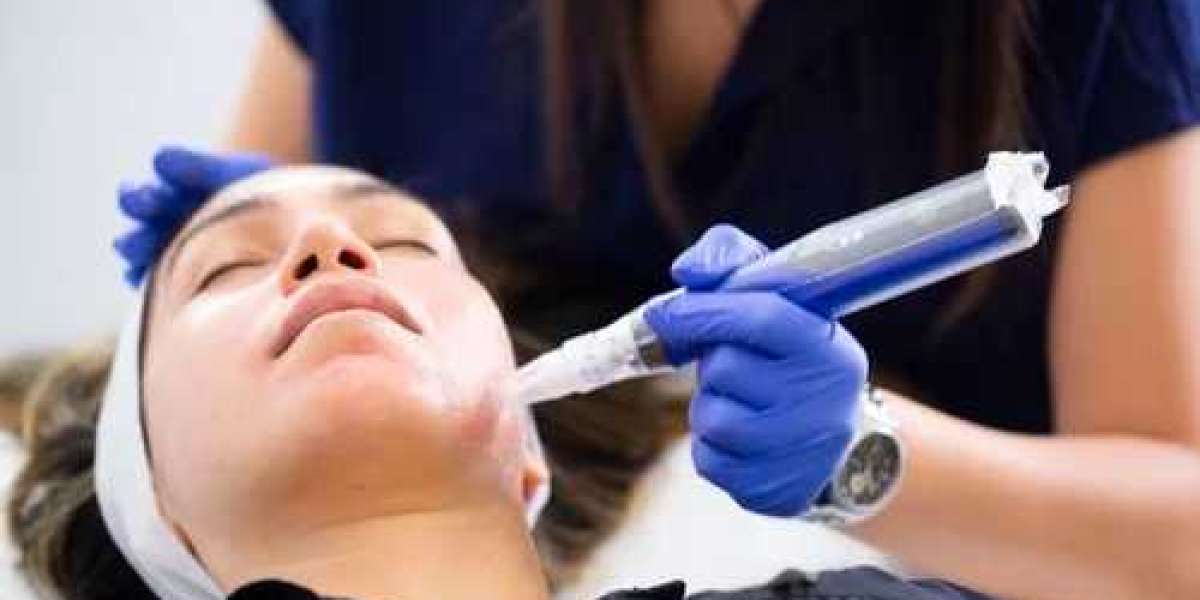

Many people considering cosmetic skin procedures feel curious or nervous about what actually happens during a laser appointment. Pigmentation, acne marks, tanning, freckles, and uneven skin tone are common concerns that often lead individuals to explore professional treatments. Modern dermatology offers several advanced options, and Q-switched Laser Treatment is widely known for targeting excess pigmentation with minimal downtime and a relatively quick recovery process. Understanding the full session experience can help patients feel more confident and prepared before undergoing their first appointment.
Initial Consultation Before the Session:
Before starting any laser procedure, dermatologists usually conduct a detailed skin assessment to understand the patient’s concerns, medical history, and skin type. This consultation helps determine whether the treatment is appropriate and what kind of results may realistically be expected.
During the consultation, the dermatologist may evaluate:
- Skin sensitivity
- Pigmentation depth
- Existing skincare routine
- History of allergies or reactions
- Previous cosmetic treatments
- Current medications
- Sun exposure habits
A customized treatment plan is then created based on the patient’s skin condition and cosmetic goals.
Skin Preparation Before the Procedure:
Proper skin preparation helps improve both safety and treatment effectiveness. The skin is first cleansed thoroughly to remove makeup, sunscreen, oil, and impurities from the treatment area.
Additional preparation steps may include:
- Application of numbing cream if needed
- Taking pre-treatment photographs
- Marking target areas
- Providing protective eyewear
- Explaining post-treatment care instructions
Not every patient requires numbing cream because the discomfort level is usually manageable, but sensitive skin patients may prefer additional comfort measures.
Understanding the Laser Technology:
The laser device works by delivering concentrated pulses of energy into pigmented areas beneath the skin’s surface. These short bursts of energy specifically target excess melanin while minimizing damage to nearby tissue.
The treatment is commonly used for concerns such as:
- Dark spots
- Melasma
- Acne pigmentation
- Freckles
- Sun damage
- Uneven skin tone
Because the laser energy is delivered in extremely quick pulses, the skin experiences controlled targeting rather than widespread injury.
What the Patient Feels During the Session:
Many first-time patients wonder whether laser procedures are painful. Most individuals describe the sensation as mild snapping, tingling, or warmth against the skin. The feeling is often compared to a small rubber band lightly touching the skin surface.
Patient experiences may vary depending on:
- Skin sensitivity
- Treatment area
- Laser intensity settings
- Pigmentation severity
- Individual pain tolerance
Cooling systems or chilled air devices are commonly used during the session to improve comfort and reduce heat sensation.
How Long the Procedure Usually Takes:
Laser sessions are generally quick compared to more invasive cosmetic treatments. The duration depends on the size of the treatment area and the severity of pigmentation being addressed.
Typical session durations include:
- Small treatment areas: 15–20 minutes
- Full face sessions: 20–40 minutes
- Larger body areas: 45 minutes or longer
Most patients can return home immediately after the appointment without requiring extended recovery time.
Immediate Skin Reactions After the Session:
After the procedure, the treated skin may appear slightly red or sensitive for a short period. Some individuals also experience mild swelling or warmth, especially in areas with concentrated pigmentation.
Common temporary reactions include:
- Mild redness
- Slight swelling
- Temporary sensitivity
- Warm feeling on the skin
- Mild dryness
These effects are usually temporary and improve within a few days when aftercare instructions are followed properly.
Post-Treatment Aftercare Instructions:
Proper aftercare is extremely important because the skin becomes more sensitive after laser exposure. Dermatologists often provide detailed instructions to support healing and protect treatment results.
Common aftercare recommendations include:
- Applying sunscreen daily
- Avoiding direct sunlight
- Keeping the skin moisturized
- Avoiding harsh skincare products temporarily
- Avoiding excessive heat exposure
- Staying hydrated
Sun protection is especially important because UV exposure can worsen pigmentation and interfere with the healing process.
When Results Start Becoming Visible:
Laser treatments usually provide gradual improvement rather than immediate dramatic changes. Pigmented particles break down over time and are naturally cleared by the body’s processes.
Patients may notice:
- Brighter skin tone
- Reduced dark spots
- Improved clarity
- More even complexion
- Fresher skin appearance
The timeline for visible improvement varies depending on the depth of pigmentation and the number of sessions completed.
How Many Sessions Are Commonly Needed:
The number of sessions depends on the severity of the skin concern and the individual’s response to treatment. Some people experience visible improvement after only a few sessions, while deeper pigmentation may require a more extended treatment plan.
Factors affecting treatment frequency include:
- Skin type
- Pigmentation depth
- Hormonal influences
- Sun exposure habits
- Consistency with aftercare
Dermatologists often schedule sessions several weeks apart to allow the skin enough time to recover safely between appointments.
Possible Risks and Side Effects:
Laser procedures are generally considered safe when performed by experienced dermatologists, but temporary side effects can still occur. The risk level depends heavily on proper laser settings and patient skin type.
Potential side effects may include:
- Temporary redness
- Mild irritation
- Skin dryness
- Slight swelling
- Temporary sensitivity to sunlight
Serious complications are uncommon when treatment is carried out by qualified professionals using appropriate techniques.
Importance of Choosing a Qualified Clinic:
The experience of the dermatologist and the quality of the clinic can significantly influence treatment safety and results. Advanced laser technology and proper patient assessment help reduce unnecessary risks while improving effectiveness.
Important qualities to look for in a clinic include:
- Certified dermatologists
- Modern laser equipment
- Proper hygiene standards
- Transparent consultations
- Experience with different skin types
- Positive patient reviews
Professional guidance ensures that patients receive realistic expectations and personalized treatment recommendations.
Final Thoughts:
Understanding what happens during a laser session can help reduce anxiety and allow patients to feel more prepared before starting treatment. From the initial consultation to post-treatment care, each step is designed to improve safety, comfort, and effectiveness while targeting pigmentation concerns in a controlled manner. Modern laser technology has made cosmetic skin treatments more accessible and less invasive than ever before, giving individuals an opportunity to improve skin clarity with minimal downtime. Consistent aftercare, realistic expectations, and treatment from an experienced dermatologist remain essential for achieving healthy and long-lasting results.