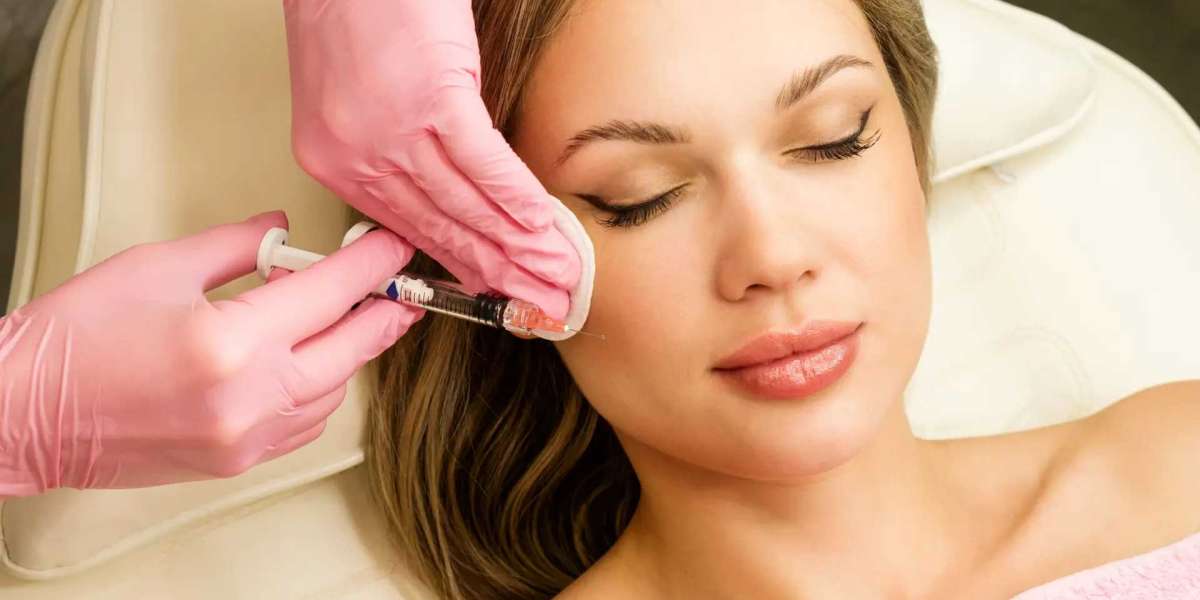

Skin rejuvenation treatments have evolved significantly, and among the most popular options today are Skin Booster Injections, designed to deeply hydrate the skin and improve its overall texture. These treatments are widely used for achieving a natural glow, reducing fine lines, and enhancing skin elasticity without changing facial structure. But the big question remains: are they truly safe, and what should you know before considering them?
What Are Skin Boosters:
Skin boosters are injectable treatments that deliver hydrating substances, most commonly hyaluronic acid, directly into the skin to improve moisture retention and overall skin quality rather than altering facial volume. Unlike traditional fillers, they do not reshape facial features but instead work on improving skin health from within, making them ideal for individuals looking for a subtle, natural enhancement. They are commonly used on the face, neck, hands, and décolletage to restore radiance and smoothness.
How Do They Work:
Skin boosters work by depositing micro-injections of hydrating agents into the deeper layers of the skin, where they bind water molecules and stimulate collagen production over time, leading to improved elasticity and hydration. The process typically involves a series of small injections spaced evenly across the treatment area.
- Hyaluronic acid attracts and retains moisture within the skin
- Micro-injections ensure even distribution across targeted areas
- Collagen stimulation improves firmness over time
- Gradual results create a natural, refreshed appearance
The treatment is usually done in multiple sessions for optimal results, with improvements becoming more visible after each session.
Are Skin Boosters Safe:
When performed by a qualified medical professional, skin booster treatments are generally considered safe and minimally invasive, with a strong track record in aesthetic medicine. The primary ingredient, hyaluronic acid, is naturally found in the body, which reduces the risk of severe reactions. However, safety also depends on proper technique, hygiene standards, and individual skin conditions. Skin Booster Injections have been extensively studied and are widely used in dermatology clinics worldwide, but like any cosmetic procedure, they still carry some minor risks such as temporary redness or swelling.
Potential Side Effects:
Although skin boosters are low-risk, some temporary side effects may occur as the skin adjusts to the treatment. These effects are typically mild and resolve within a few days.
- Redness at injection sites
- Mild swelling or bruising
- Tenderness or sensitivity
- Small bumps under the skin that fade quickly
- Temporary itching or discomfort
Serious complications are rare but can occur if the procedure is done improperly or in non-clinical settings, which is why choosing a certified practitioner is essential.
Who Should Avoid:
Not everyone is an ideal candidate for skin booster treatments, and certain individuals should avoid them or consult a specialist before proceeding. A proper consultation ensures the treatment is both safe and effective based on personal health conditions.
- Pregnant or breastfeeding individuals
- People with active skin infections or acne flare-ups
- Individuals with severe allergies to injectable components
- Those with autoimmune skin conditions without medical clearance
- Patients on blood-thinning medications (require doctor approval)
A professional assessment helps determine suitability and minimizes the risk of complications.
Benefits:
Skin boosters offer a range of cosmetic and dermatological benefits that make them a popular choice for individuals seeking non-surgical skin improvement. The treatment focuses on enhancing overall skin quality rather than altering facial structure.
- Deep hydration for dry or dull skin
- Improved elasticity and firmness
- Reduction in fine lines and early wrinkles
- Enhanced skin glow and smooth texture
- Long-lasting skin quality improvement with repeated sessions
These benefits develop gradually, making the skin appear healthier and more naturally radiant over time.
Aftercare Tips:
Proper aftercare is essential to ensure optimal results and minimize side effects following treatment. Most patients can return to normal activities quickly, but a few precautions help support healing and effectiveness.
- Avoid touching or rubbing the treated area for at least 24 hours
- Refrain from intense exercise for 1–2 days
- Stay away from direct sun exposure and heat treatments
- Use gentle skincare products as recommended by your practitioner
- Keep the skin well-hydrated and avoid alcohol immediately after treatment
Following these guidelines helps the skin recover smoothly and enhances the overall outcome.
Final Thoughts:
Skin boosters have become a trusted option in modern aesthetics for those seeking natural skin rejuvenation without invasive procedures. When performed correctly, Skin Booster Injections can significantly improve hydration, texture, and overall skin health with minimal downtime. While the treatment is generally safe, success depends on professional expertise, proper patient selection, and responsible aftercare. For anyone considering this option, understanding the procedure and setting realistic expectations is key to achieving the best possible results.