The layout of a casino floor is never accidental. Every single element, from the pattern on the carpet to the location of the restrooms, is the result of decades of behavioral research.
To achieve this, designers utilize a concept known in the industry as "maze design" or "The Playground Design."
Understanding the deceptive psychology built into the very walls of the casino is your absolute best defense against it.
Welcome to the architecture of manipulation.
Bending Time: The Absence of Clocks and Windows
This is a deliberate architectural strategy designed to induce a state of "time blindness."
Humans are biologically wired to respond to circadian rhythms dictated by the sun. When it gets dark outside, our brains release melatonin, making us tired and signaling that it is time to stop our activities and go home.
You enter a trance-like state known as "The Zone," where the only reality that matters is the spinning of the roulette wheel in front of you.
The only way to know the time is to physically check your own smartphone or wear a watch, forcing you to actively break the hypnotic spell the casino has cast over you.
Designing the Labyrinth: The Curved Aisle Strategy
To fix this "problem," modern casino designers (pioneered by the legendary Bill Friedman) introduced the "Maze Layout."
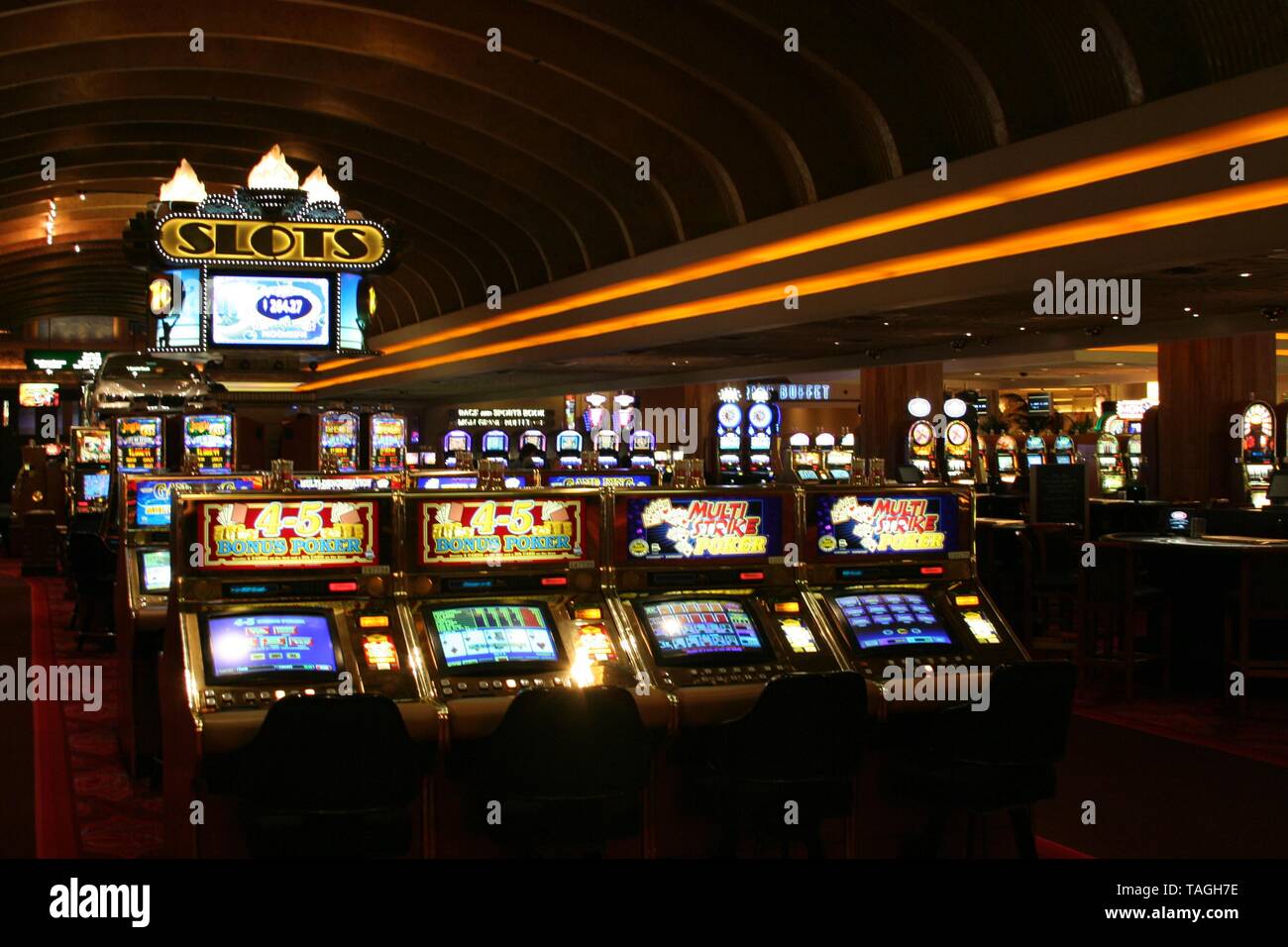
If you look down at a modern casino floor, there are almost no straight lines or clear sightlines. The slot machines are arranged in confusing clusters, tight circles, and meandering, curved pathways.
Furthermore, the casino weaponizes the placement of essential services, such as the restrooms, the cashier cage, and the buffet.
The longer you are walking through the maze, the higher the statistical probability that you will hear a machine ringing, feel a sudden urge of luck, and sit down to lose the money you were just trying to cash out.
Sensory Overload: Carpets, Smells, and Sounds
Take a moment to look down at the carpet in any major casino. You will notice it is never a calming, solid color.
The carpet is literally designed to aggressively push your visual focus directly onto the gambling product.
Furthermore, casinos pump specific ambient soundtracks and even artificial scents through the massive HVAC ventilation systems.
This massive barrage of visual and auditory stimuli exhausts the logical, decision-making part of your prefrontal cortex.
Spotting the Architectural Tricks
- The Shiny Object: Do not play the massive, licensed pop-culture slot machine sitting in the main walkway. It is a trap with a massive house edge.
- The Cage Location: The Cashier is always buried deep in the back of the casino, often forcing you to walk through the high-limit slot room to get there.
- The Carpet Trick: Look down. The chaotic, swirling patterns are intentionally ugly to force your eyes upward toward the bright, clean screens of the games.
- The Artificial Sun: If you look up and see a perfect summer sky at 3:00 AM, the psychological manipulation is working perfectly.
How the Floor Design Has Changed
| The Casino Floor | Old Vegas Mentality | The Modern Mega-Resort |
|---|---|---|
| The Vibe | You are here to gamble. Nothing else matters. | You are here for a luxury vacation; gambling is just part of the expensive experience. |
| The Aisle Space | Tight and cramped to maximize the number of machines per square foot. | Spacious enough to accommodate large groups and luxury strollers. |
| The Goal | Keep the player trapped in a dark corner pulling a lever for 12 straight hours. | Make the player feel incredibly wealthy and comfortable so they willingly spend money in every sector of the resort. |
Once you understand the tricks—the missing clocks, the chaotic carpets, the hidden exits—the casino loses its mysterious power over you.
You can walk through the maze with your head held high, appreciating the brilliant engineering of the trap without actually falling into it.
The casino wants you to stay forever.