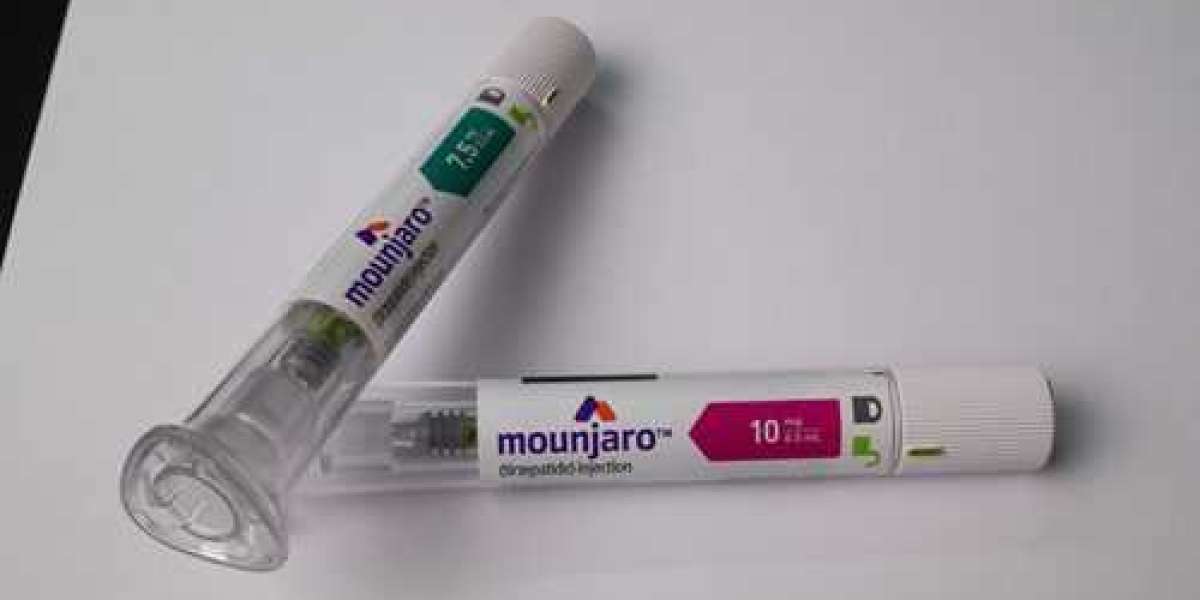

Mounjaro is a prescription medicine containing tirzepatide. It belongs to a class of medicines that act on GIP and GLP-1 pathways, helping regulate blood sugar, appetite, and food intake. In recent years, tirzepatide has gained attention among people looking for medically supervised weight-management options. For anyone considering Mounjaro Injection in Islamabad, understanding how the treatment works, who may benefit, and what to expect is an important first step.
What Is Mounjaro Injection?
Mounjaro contains tirzepatide and is administered as a subcutaneous injection. It is used with diet and physical activity to improve blood glucose control in people with type 2 diabetes. Tirzepatide is also used for weight management under appropriate indications, depending on the specific product and local regulatory approval.
The medicine works on two hormone pathways, GIP and GLP-1. These pathways are involved in blood sugar regulation and appetite. By influencing these systems, tirzepatide can help reduce appetite and support better control of food intake.
How Does Mounjaro Work?
Mounjaro works through several effects in the body. It can improve insulin secretion when blood glucose is elevated, reduce glucagon secretion, slow stomach emptying, and influence appetite.
For people using tirzepatide for weight management, reduced appetite can make it easier to follow a calorie-controlled eating plan. However, the injection should not be viewed as a replacement for healthy eating or regular physical activity. Weight-management treatment generally works best as part of a broader lifestyle plan.
Who May Be Suitable for Mounjaro?
Mounjaro is not appropriate for everyone. A healthcare professional should assess your medical history, current medicines, weight-related health concerns, and treatment goals before prescribing tirzepatide.
People with certain medical conditions may require additional evaluation. You should inform your healthcare professional if you have a history of pancreatitis, significant digestive problems, kidney problems, diabetic eye disease, or are taking insulin or certain diabetes medicines.
Mounjaro is contraindicated for people with a personal or family history of medullary thyroid carcinoma or multiple endocrine neoplasia syndrome type 2, as well as those with a serious hypersensitivity to tirzepatide or its ingredients.
What Should Beginners Expect?
Treatment is generally started at a lower dose and adjusted according to the prescribing clinician's plan and the patient's response. Mounjaro is administered once weekly, and patients should follow the prescribed schedule rather than changing the dose themselves.
During the first few weeks, some people may experience digestive symptoms as their body adjusts. Common side effects include nausea, vomiting, diarrhoea, constipation, abdominal discomfort, reduced appetite, and indigestion. These effects may be more noticeable when treatment begins and can improve over time.
Tips for a Comfortable Treatment Experience
Beginners can make the treatment experience easier by following their healthcare professional's instructions carefully. Staying adequately hydrated is particularly important if nausea, vomiting, or diarrhoea occurs.
Eating smaller portions and choosing balanced meals may also help manage digestive discomfort. Avoid making sudden dose changes or taking additional weight-loss medicines without professional advice.
It is also useful to monitor changes in appetite, weight, blood sugar when relevant, and any unusual symptoms. Regular follow-up allows your healthcare professional to assess whether the treatment is appropriate and whether adjustments are needed.
Potential Risks and Side Effects
Like any prescription medicine, tirzepatide can cause side effects. Gastrointestinal symptoms are among the most commonly reported. More serious problems can occur less frequently.
Persistent or severe abdominal pain, particularly when it may radiate toward the back, requires prompt medical attention because it can be a symptom of pancreatitis. Severe allergic reactions can also require urgent treatment. Dehydration caused by prolonged vomiting or diarrhoea can affect kidney function.
People with diabetes who use insulin or certain medicines that increase insulin release may also have a higher risk of low blood sugar, so medication combinations should be reviewed by a healthcare professional.
FAQs About Mounjaro Injection
Is Mounjaro taken every day?
No. Mounjaro is generally administered once weekly according to the prescribed treatment plan. The exact dose and schedule should be determined by a qualified healthcare professional.
Can Mounjaro help with weight loss?
Tirzepatide can support weight management in appropriate patients by affecting appetite and food intake. It should be used alongside a suitable diet and physical activity plan rather than as a standalone solution.
What are the common side effects of Mounjaro?
Common side effects include nausea, vomiting, diarrhoea, constipation, abdominal discomfort, indigestion, and reduced appetite. These symptoms may be more noticeable when treatment is first started.
Can everyone use Mounjaro?
No. Certain people should not use tirzepatide, including individuals with a personal or family history of medullary thyroid carcinoma or MEN 2, or those with serious hypersensitivity to the medicine. Other health conditions may also require special consideration.
Should I change my Mounjaro dose myself?
No. Dose changes should only be made according to the prescribing healthcare professional's instructions. Changing the dose without medical guidance may increase the risk of side effects.
Final Thoughts
For beginners, understanding the benefits, limitations, and possible side effects of Mounjaro Injection in Islamabad can help make treatment decisions more informed. Tirzepatide may be useful for suitable patients, but it is a prescription medicine that requires appropriate medical assessment and monitoring. If you are considering treatment, discuss your health history, current medications, weight-management goals, and expectations with a qualified healthcare professional before starting.