

Planning the Kitchen Layout
A successful kitchen renovation starts with a practical layout. Cabinet placement affects how easily people can cook, clean, store food, and move around the room. Before installation begins, measurements should be checked carefully, including wall dimensions, floor levels, appliance locations, windows, doors, and plumbing connections. A detailed layout can prevent costly adjustments later and help the finished kitchen feel organized and comfortable.
Choosing Suitable Cabinet Styles
Cabinets influence both the appearance and function of a kitchen. Homeowners can choose from different door styles, finishes, colors, materials, and storage configurations. The right option should match the home's overall design while also meeting everyday storage needs. It is useful to consider how often each cabinet will be used and what items will be stored inside before making a final selection.
Measuring the Space Carefully
Accurate measurements are essential before ordering or installing cabinets. Walls may not be perfectly straight, and floors can have high or low areas that affect cabinet alignment. Professional installers check these conditions before securing the cabinets. Taking time to confirm measurements can reduce fitting problems and help ensure that doors, drawers, appliances, and countertops work together properly.
Preparing for Installation
The kitchen area should be prepared before the installation team arrives. Old cabinets, countertops, appliances, and other items may need to be removed depending on the renovation plan. Water, gas, and electrical connections should also be handled safely by appropriate professionals when required. Preparing the workspace can give installers enough room to work efficiently and reduce unnecessary interruptions during the project.
Securing Cabinets Correctly
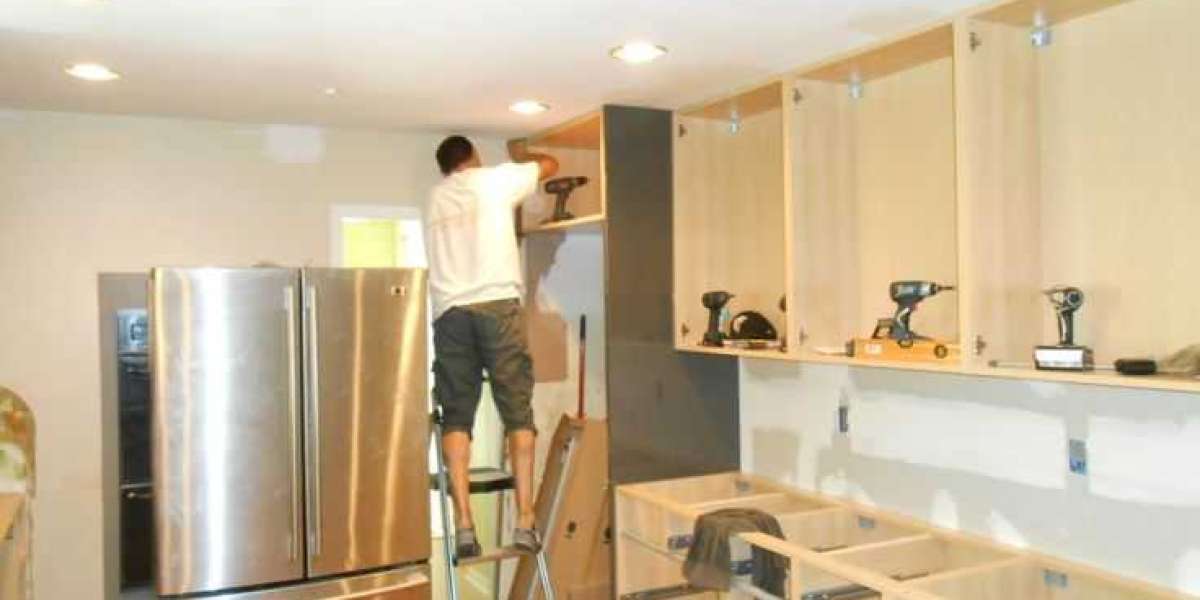
Cabinets need strong and accurate attachment to the wall. Installers typically locate wall studs and use suitable mounting hardware to secure the cabinet boxes. Wall cabinets are especially important to install correctly because they carry their own weight along with dishes, cookware, and other stored items. Proper fastening helps create a stable installation and supports long-term use.
Creating Better Storage
A renovation provides an opportunity to improve storage throughout the kitchen. Deep drawers can hold cookware, while tall cabinets can provide additional space for pantry items. Corner storage, adjustable shelves, and specialized organizers can also make previously unused areas more practical. Kitchen Cabinetry Installation Stella NC can help homeowners turn an existing kitchen into a more organized space by combining suitable cabinet placement with their daily storage requirements.
Considering Quality Materials
Cabinet construction can affect durability and everyday performance. Homeowners should consider the quality of cabinet boxes, shelves, doors, drawer construction, hinges, and glides before making a purchase. Strong materials and dependable hardware can support frequent use and reduce premature wear. Choosing products based on both appearance and construction quality can make the investment more worthwhile over time.
Matching Cabinets With the Renovation
Cabinetry should coordinate with countertops, flooring, backsplashes, lighting, appliances, and wall colors. Selecting each element separately can sometimes produce a mismatched appearance. A complete design plan helps homeowners see how the different materials will work together. Premium Cabinetry and Renovation Stella NC can support a coordinated approach when homeowners want their new cabinets to become part of a broader kitchen improvement project.
Managing Unexpected Conditions
Older kitchens may contain hidden problems behind walls, beneath flooring, or around plumbing and electrical connections. Water damage, structural issues, or outdated components may become visible after existing cabinets are removed. These conditions can affect the schedule and may require additional work before new cabinetry can be installed. Planning for possible surprises can help homeowners avoid unnecessary stress during renovation.
Checking Alignment and Finish
After the cabinets are secured, installers should check that the boxes remain level, plumb, and properly aligned. Doors and drawers may also require adjustments so that gaps are even and movement is smooth. Small finishing details can have a major effect on the final appearance. Careful inspection before countertops and other finishing elements are completed helps identify issues while adjustments are still easier to make.
Planning Around Appliances
Refrigerators, ovens, dishwashers, sinks, and other appliances need enough space to fit correctly within the cabinet layout. Their dimensions should be confirmed before installation rather than assuming standard sizes will always work. Door swings, plumbing connections, electrical access, and ventilation requirements should also be considered. Proper coordination prevents cabinets from interfering with appliance operation.
Making the Investment Last
Quality cabinetry can improve the organization, appearance, and everyday usability of a kitchen. Careful planning, accurate measurements, suitable materials, secure installation, and proper finishing all contribute to a successful result. Homeowners who focus on both design and practical function can create a kitchen that feels attractive while supporting daily routines for years to come.




